
Ko Samet Travel Guide: Bangkok’s Closest Tropical Island
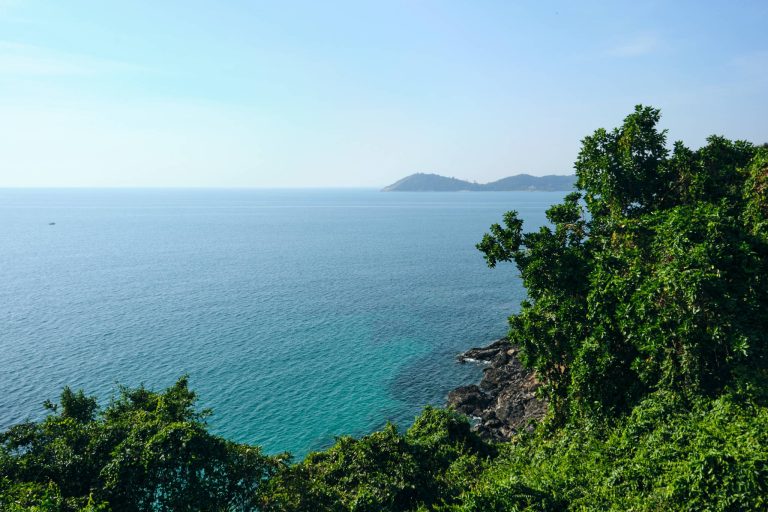
Known for having some of the whitest sand in Thailand, Ko Samet is a T-shaped island that serves as a perfect escape from the mainland’s buzz. While it is popular, especially on weekends, it hides a wild interior and secluded coves with water so clear you can count the fish at your feet.
I spent 5 days here, balancing between the lively “White Sand Beach” and the quiet jungle trails. It was our last stop for relaxation before flying to Japan, and despite some logistical hurdles, the island’s natural beauty won us over.
🎒 Trip Essentials
- 🌡️ Best Time:
Nov to April (Drier than the rest of Thailand) - 🛵 Transport:
Walking or Songthaew (Scooters for the brave) - 💰 Daily Budget:
€40 - €70 (Higher than Northern Thailand) - 📶 Connectivity:
Excellent near the main piers and beaches
💡 Quick Tips
- 🎟️ National Park Fee:
Ko Samet is part of a National Park. Expect to pay 200 THB (Foreigners) upon arrival. - 📅 Avoid Weekends:
The island gets very crowded with Bangkok locals from Friday to Sunday. - 🚤 Speedboat vs. Ferry:
If you are prone to seasickness, take the larger ferry; the speedboats can be a bumpy ride!
1. Getting There & Getting Around: The Logistics Trap
Ko Samet is officially part of the Khao Laem Ya–Mu Ko Samet National Park, established in 1981 by Thailand’s Royal Forest Department. The park covers 131 km² and includes Ko Samet, nine smaller islands (Ko Kudi, Ko Kruai, Ko Makham), the Khao Laem Ya headland, and the 11km Mae Rampeung Beach—all under national park jurisdiction.
Its proximity to the capital makes it a favorite for weekenders, but reaching this island paradise requires a bit of planning.
How to Reach the Island
There are several ways to reach the ferry piers at Ban Phe (Rayong), which is the gateway to the island:
- From Bangkok (The Standard Route): This is the most common path. Buses and minivans depart frequently from Ekkamai (Eastern Bus Terminal) and Mo Chit. The journey takes about 3.5 to 4 hours. You can also take a private taxi for more comfort.
- From Pattaya (The Quick Jump): If you are coming from Pattaya, it’s a short 1-hour to 1.5-hour drive by minivan or taxi to reach the piers. It’s a very easy day trip or weekend extension.
- From the Airport (My “Military” Adventure): We flew into U-Tapao Airport, thinking the connection would be simple. I have to warn you: it was a total bazaar. Upon landing, we found no buses and no minivans available. Everyone was left haggling with taxi agencies.
- The Experience: We eventually negotiated a taxi with a driver who turned out to be a military man. He drove at breakneck speeds to get us to the coast! It was stressful, but we made it to the boat just in time.
The Boat Crossing
Once at the Ban Phe piers (there are several, like Nuan Thip or Sri Ban Phe), you have two choices:
- The Wooden Ferry: Cheap and steady (about 45 minutes). It drops you at Na Dan Pier (the main town).
- The Speedboat: Faster (15-20 minutes) and can drop you directly on specific beaches like Sai Kaew or Ao Cho, saving you a taxi ride on the island.
Navigating the Island
Ko Samet is small—only about 7km long.
Scooter Rental: Available everywhere for about 300 THB/day. Be careful, as some roads leading to the southern coves are still unpaved and can be tricky.d is relatively small. On Day 3, we walked back from the southern trails to the main town for dinner. It’s doable and a great way to see the local life.
The Green Songthaews: These pickup-taxis have fixed rates depending on which beach you are going to. They wait at the main pier.
Walking: Because the island is narrow, walking is a great option. On Day 3, we hiked through the interior and walked all the way back to town for dinner. It’s a great way to save money and see the island’s hidden corners.
Plan your trip to Ko Samet
Need to book your bus from Bangkok or a ferry? Check all schedules and prices on 12Go.asia.
2. Exploring the Island: From Flour-White Sands to Hidden Coves
Ko Samet is surprisingly diverse for such a small island. Known as the “Diamond Island” Ko Samet is known as ‘Ko Kaew Phitsadan’ (เกาะแก้วพิศดาร—Magic Crystal Island) in Sunthorn Phu’s epic poem Phra Aphai Mani, Thailand’s most celebrated literary work. The island’s white, crystalline sand—so fine it was once used in glass-making—inspired this poetic name.
But while the north is a playground for sunbathers and jet-skis, the further south you trek, the more the island reveals its quiet, rugged character.
The Lively North vs. The Tranquil Coves
Most of the action is concentrated in the northern tip around the main pier and the famous Sai Kaew Beach.
- Sai Kaew (Diamond Beach): This is the island’s busiest stretch, located just 500m from where I stayed. I spent my first afternoon here on Day 2, and while the water is undeniably beautiful and warm, it’s a high-energy area. It’s perfect if you want a vibrant atmosphere, but it can feel a bit overwhelming if you’re looking for the “HikinThai” solitude.
- The Southward Shift: As you move down the eastern coast, the beaches get smaller and the crowds thinner. Following the coast, you pass through a series of “Ao” (coves) like Ao Cho or Ao Wai, where the “resort” vibe slowly gives way to a more natural, laid-back island feel.
Life on the Island: Between Relaxation and Planning
My time on Ko Samet was a mix of pure relaxation and preparing for the next leg of our journey. I spent several mornings, like Day 4, organizing our upcoming itinerary for Japan, finding that the island’s slow pace provided the perfect backdrop for planning.
There is a specific routine here: a morning of “digital nomad” life, followed by a rewarding afternoon on a quiet beach. I loved the simple pleasure of grabbing dinner on a small, candle-lit beach nearby. It’s far more intimate than the big restaurant rows, allowing you to actually hear the gentle lap of the waves while you eat.
The “Klaeng Kachet” Experience
Staying near the main village has its pros and cons. My hotel, while convenient for the gym and the local town, had its quirks—like the pool and terrace closing strictly at 6 PM! It was a reminder that on Ko Samet, the real “resort” is the nature itself.
The Recommendation: Don’t get stuck at your hotel pool. The island is meant to be explored on foot. Even a short walk away from the main hub will lead you to a spot where the water is transparent and the vibe is 100% relax. with the Dutch owner or the German guy I met on Day 4, the atmosphere encouraged deep, interesting discussions that lasted until 2 AM.
The Vibe: Unlike the deep jungle feel of Koh Chang, Ko Samet feels like a tropical escape where the turquoise water is always the star.
3. Island Life: Village Vibe & Beachfront Dining
Ko Samet’s lifestyle is a blend of a bustling port village and laid-back beach dining. Unlike the vast distances of Koh Chang, everything here feels more intimate and accessible. The “center” of the island is the area around Na Dan Pier, and the atmosphere changes beautifully as you move from the street to the sand.
The Street Food Hub
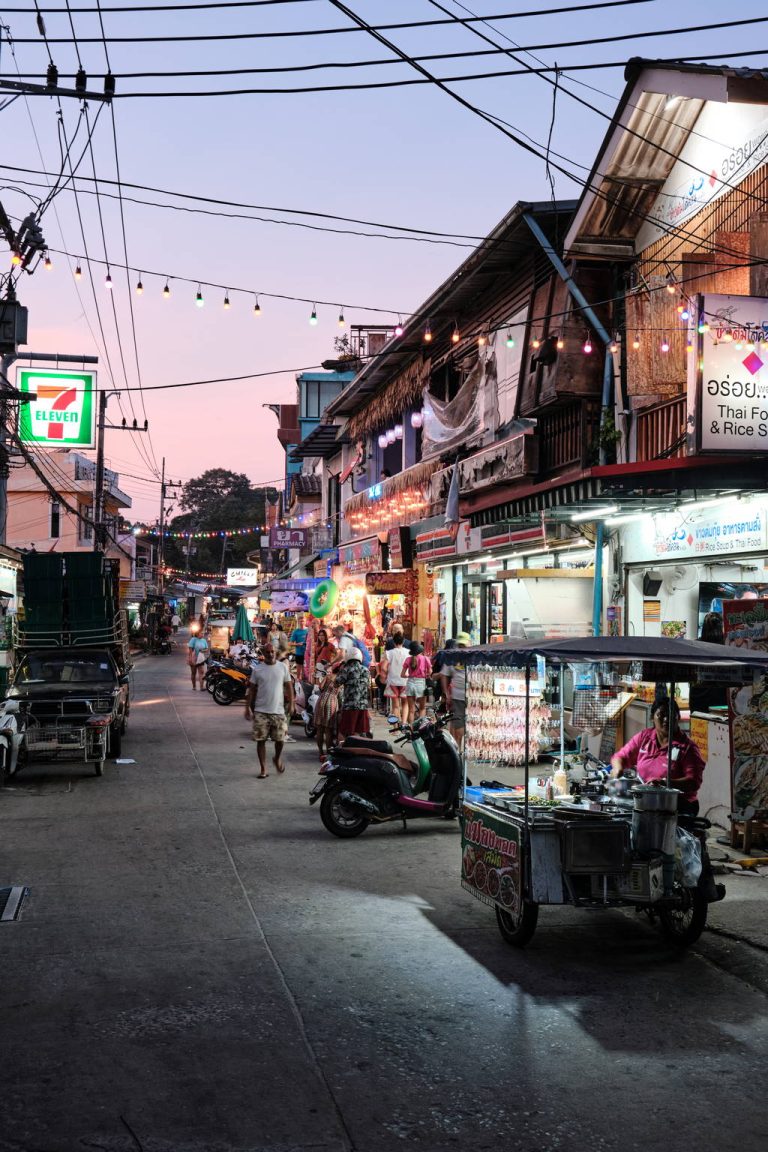
The heart of the action lies on the main street between Na Dan Pier and Sai Kaew Beach. This stretch is the lifeblood of the island.
- Cheap & Tasty: This street is packed with incredible street food stalls. Whether you are looking for grilled skewers, fresh fruit shakes, or classic Pad Thai, I found this area to be the best for a delicious and affordable meal. It’s where you get that authentic Thai “market” feel just a few steps from the ocean.
- The “HikinThai” Experience: After a long day of trekking, I loved the simple routine of walking back through this lively street for dinner. There’s a great energy here—it’s where travelers and locals mingle before the night sets in.
Lounge Vibes & Sunsets
While the main street is great for a quick bite, the beachfront offers a completely different experience, especially in the evening.
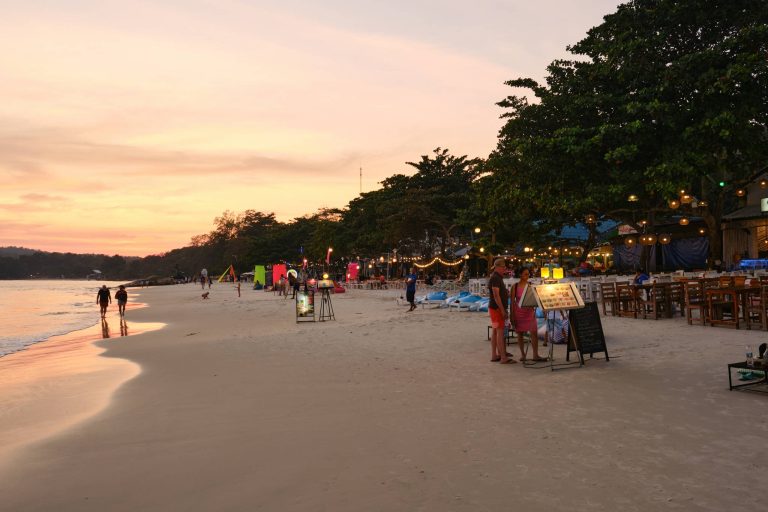
- Lounge Atmosphere: Once you hit the sand, the vibe shifts to something more sophisticated. Many restaurants set up lounge-style seating with low tables and beanbags directly on the beach.
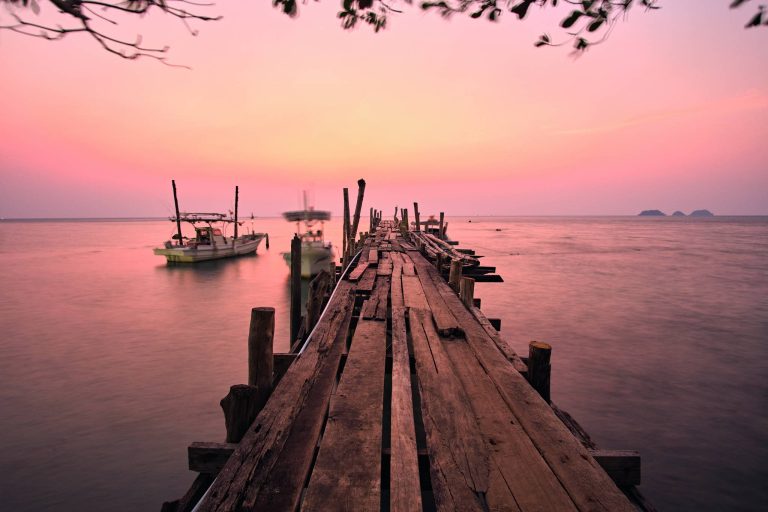
- The Perfect Sunset Spot: As I noted in my journal, we found a small, quiet beach for our evening meal. It is truly the perfect place for sunset. Watching the sky change colors over the turquoise water while enjoying a drink in a relaxed, candle-lit lounge is the ultimate Ko Samet experience.
What Else to Explore?
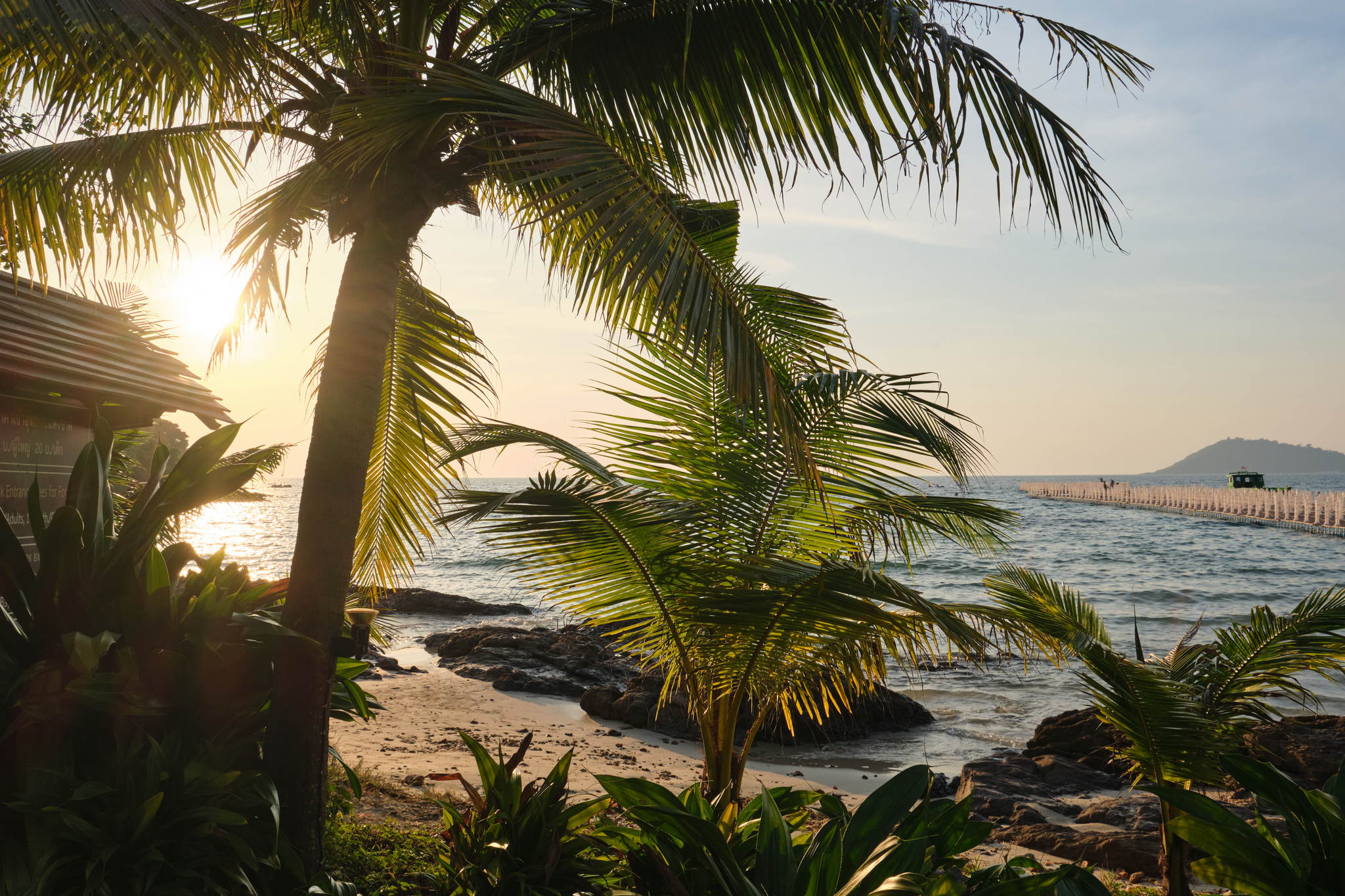
- Water Clarity: On Day 3, I was stunned by the transparency of the water. Even while sitting at a beach restaurant, you can often see small fish swimming near the shore.e
- Traditional Heritage: While Ko Samet is famous for its beaches, it is also steeped in Thai literature. You’ll see statues representing characters from the epic poem Phra Aphai Mani (like the Mermaid and the Giantess) scattered along the coast.
4. Adventure & Activities: From Jungle Trails to Deep Blue
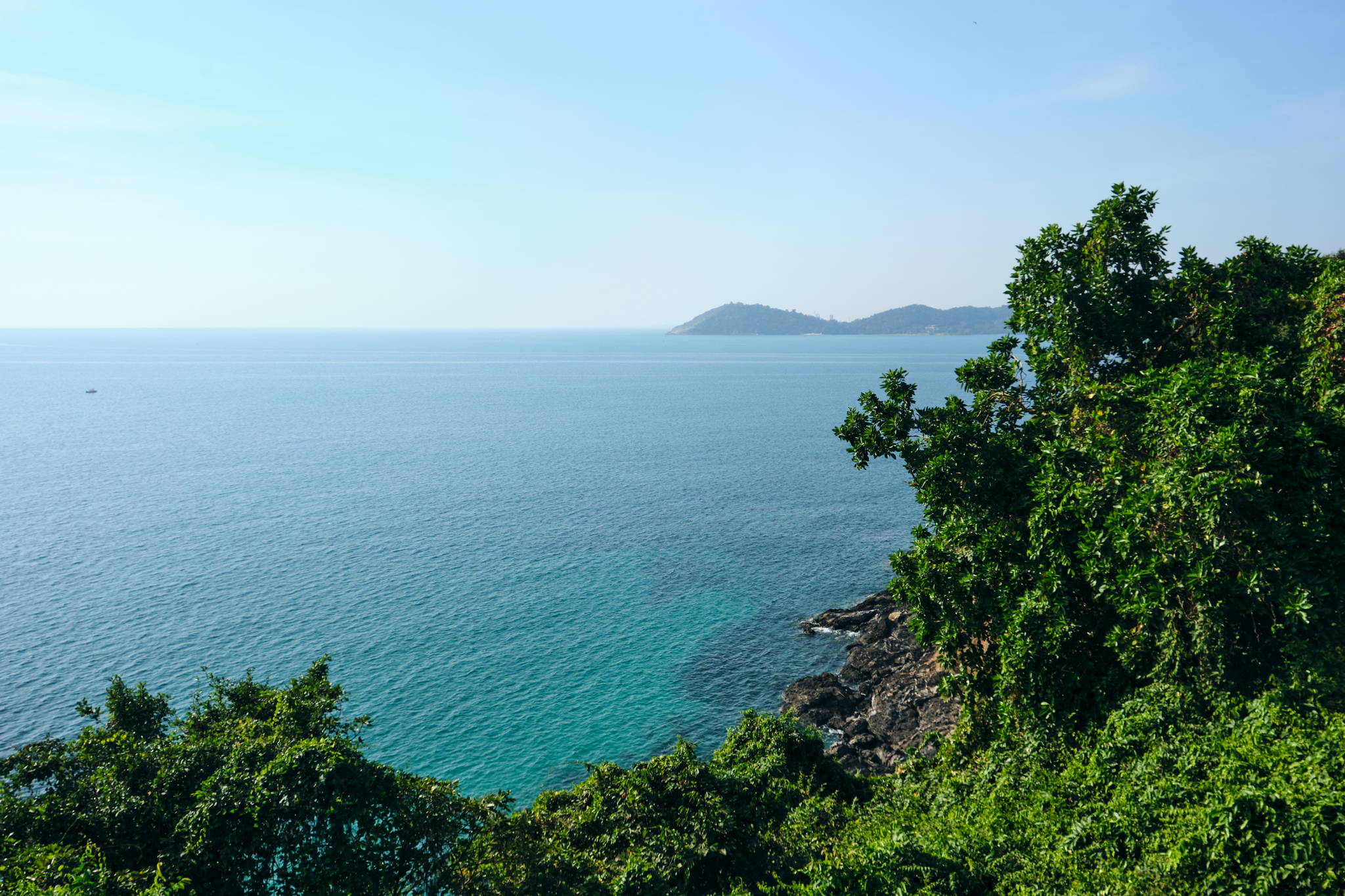
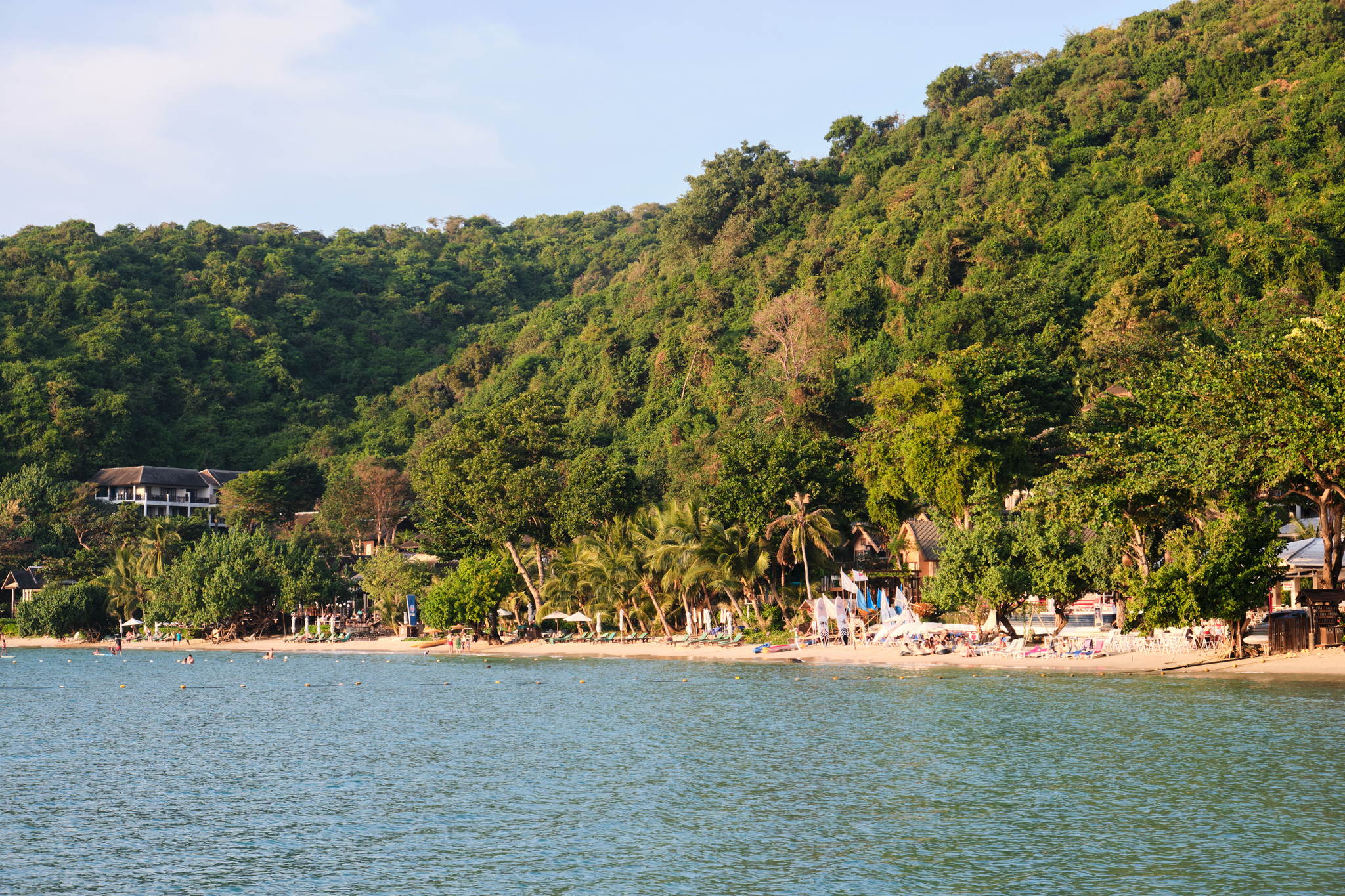
Ko Samet might be small, but it’s a giant playground for outdoor enthusiasts. Whether you prefer staying on solid ground or exploring the vibrant reefs, the island’s status as a National Park ensures that nature is always at the forefront.
Trekking the Interior
For those who want to stretch their legs, the island offers a rewarding Nature Trail.
- The Hike: On Day 3, I explored the jungle path that cuts through the island’s tropical interior. It’s a humid but beautiful trek that leads you up to panoramic viewpoints before descending into quiet, hidden coves.
- The Reward: These secluded spots are perfect for escaping the crowds. I found the water here incredibly transparent, making it the perfect place to cool off and watch the sunset after a day of walking.
🥾 Read my full guide & download the GPX track for the Ko Samet Nature Trail here!
Diving and Snorkeling
If you are more of a water person, Ko Samet is famous for its underwater life.
- Ao Prao (Paradise Bay): Located on the quieter west coast, this beach is a hotspot for diving and snorkeling. The coral reefs here are easily accessible from the shore, and it’s a popular starting point for underwater photography.
- Fish Spotting: Even without professional gear, I was amazed by the number of fish we could see just by swimming out from the quieter beaches.
Island Hopping & Boat Trips
According to the Guide du Routard, one of the most popular activities is taking a “7 Islands” boat tour. The park includes 10 islands total: Ko Samet (the main island), plus Ko Man Klang, Ko Kudi, Ko Man Nok, Ko Man Nai to the west—all offering excellent snorkeling and small hiking trails. According to Lonely Planet, Ko Kudi has a particularly pretty sandy stretch with clear water for decent snorkeling.
- The Experience: These trips take you to nearby tiny islets like Ko Thalu or Ko Chan. You get to snorkel in even clearer waters, visit “Bat Caves,” and often enjoy a barbecue on a deserted beach.
- Kayaking: For a more active day, you can rent a kayak at almost any beach. It’s the best way to explore the rocky coastline and find your own private “Diamond” cove where no roads lead.
5. Practical Heritage: A Protected Paradise
Ko Samet has a unique status in Thailand. Since 1981, it has been part of the Khao Laem Ya–Mu Ko Samet National Park, which has largely protected it from the massive concrete development seen in nearby Pattaya.
The Legend of the Island: The island is deeply embedded in Thai culture through the Phra Aphai Mani (พระอภัยมณี), a 48,700-line epic poem composed by Sunthorn Phu (1786-1855), Thailand’s most revered poet. Written between 1821 and 1844 (taking 22 years to complete), this is the longest single poem in Thai language and the world’s second-longest epic by a single author.
The story tells of Prince Aphai Mani, exiled by his father for learning to play a magical flute instead of studying statecraft. After being kidnapped by Phisua Samut (นางผีเสื้อสมุทร—the female sea ogress disguised as a beautiful maiden), Aphai escapes with help from a mermaid family. The mermaid brings him to Ko Kaew Phitsadan (the former name of Ko Samet—”Magic Crystal Island”), where they fall in love and have a son named Sudsakorn. Aphai defeats the ogress by playing his flute from the shore, turning her to stone.
UNESCO Recognition: In 1986, Sunthorn Phu was declared a World Poet by UNESCO during Thailand’s bicentennial celebration of his birth. The epic has been adapted into numerous Thai films, dance dramas (lakhon), and comics.
As you walk along Ko Samet’s coast, you’ll encounter statues of the Prince, the Mermaid, and the Ogress—symbols of this mystical heritage. The most famous statue sits on rocks between Ao Phai and Hat Sai Kaew, depicting the mermaid saving Prince Aphai Mani. Another massive statue of Phisua Samut towers over the Na Dan ferry pier, her arms reaching eternally toward her lost love.
6. Plan Your Trip: HikinThai’s Practical Summary
When to Go?
- Best Time: November to April is the peak season. Ko Samet is famous for its unique micro-climate; it is one of the driest islands in Thailand, making it a great escape even when it’s raining elsewhere.
For official park information, current entrance fees (200 THB for foreign adults, 100 THB for children—valid for 7 days across the park), and camping availability, visit the Tourism Authority of Thailand – Rayong or the Mu Ko Samet National Park portal. - Avoid Weekends: If possible, visit during the week. Because of its proximity to Bangkok, the island gets very crowded from Friday to Sunday, and prices for accommodation can spike.
Budgeting Your Adventure
Ko Samet is generally more expensive than the mainland or Northern Thailand, but you can still manage your budget by eating like a local.
- National Park Fee: 200 THB (€5.50) for foreigners. Keep your ticket with you, as you might be asked to show it at different beaches.
- Meals: Street food on the main road costs between 50 – 150 THB (€1.50 – €4). A lounge dinner on the beach with a view will be more in the 300 – 600 THB (€8 – €16) range.
- Transport: Songthaew rides are between 20 – 60 THB per person for the northern beaches, but can go up to 200 THB or more for the private coves in the far south.
My Final Thoughts: The Road to the Next Adventure
Leaving Ko Samet was a bit of a reality check. After five days of white sand and jungle treks, our return trip on Day 5 reminded us of the chaos of travel. Between the overbooked minivan and the hour-long wait on the roadside, it was a long journey back toward the mainland.
We are now resting south of Pattaya, away from the ultra-tourist zones, reflecting on our time on the “Diamond Island.” Ko Samet is the perfect place to recharge your batteries. It offers that rare combination of accessible “Urban Discovery” in its lively village and the raw, quiet beauty of its nature trails. It was exactly what we needed before heading to the next big chapter of our trip: Japan.y the sea, this is your paradise.
7. Where to Stay in Ko Samet
Whether you want to be at the heart of the village action or tucked away in a quiet cove, Ko Samet offers a range of stays that let you experience the island’s dual nature. Here are the best spots to drop your bags:
- Rainbow Sky Hotel Samet: A colorful and warm option located just steps away from the main Sai Kaew beach. It’s the perfect spot for travelers looking for a comfortable stay close to the island’s bustling center. 👉 Check availability
- Samed Villa Resort: A true haven of peace located at Ao Phai. With its tropical gardens, renowned cuisine, and absolute calm, it offers the perfect balance between modern comfort and island authenticity. 👉 Check availability
- Le Vimarn Cottages & Spa: For a unique experience, these cottages are shaped like inverted boat hulls. It feels like staying in a luxury tropical village perched right above the beach. 👉 Check availability
- Paradee Resort: Situated on the southern tip, this is the only resort on the island that touches two beaches (one for sunrise and one for sunset). Its architecture and location make it an exceptional destination. 👉 Check availability
8. Best Hikes & Trails in the Region
Ko Samet is more than just white sand and beach bars. If you head inland, you’ll discover a lush tropical world waiting to be explored. From the panoramic heights of the island’s ‘Trig Track’ to the secret coves where the water is perfectly clear, my nature trail guides will show you a side of the island that most tourists miss. Dive into the details and download my GPX tracks below!
-
Ko Samet Nature Trail: 8km Hike Through Island Paradise
8.2 km | 🟡 Moderate — I discovered this hidden loop that combines lush jungle trails with white-sand beaches. A perfect day-hike to explore the wild side of Ko Samet, from 360-degree viewpoints to secret snorkeling spots.