Chiang Rai Travel Guide: Beyond Temples & Tourist Trails
Chiang Rai is often overshadowed by its bigger sister, Chiang Mai, but for those who seek a more authentic and laid-back atmosphere, this city is a true gem. Situated in the far north of Thailand, it serves as the perfect gateway to the mountains, unique “kitch” temples, and some of the most impressive nature trails in the country.
I spent several days here exploring every corner, and I can tell you: if you want to experience the soul of the North without the mass crowds, Chiang Rai is where you belong.
🎒 Trip Essentials
- 🌡️ Best Time:
Nov to Feb (Cool Season) - 🛵 Transport:
Scooter (Recommended) - 💰 Daily Budget:
€25 - €40 (Mid-range) - 📶 Connectivity:
4G/5G is excellent everywhere
💡 Quick Tips
- 👗 Temple Dress Code:
Shoulders & knees covered - 🏍️ Fuel Price:
~40 THB / Liter (95 Octane) - 🍜 Must Eat:
Khao Soi (Northern Curry) - 🏧 Cash:
Carry THB for Night Markets
1. Getting There & Getting Around: The Freedom of the Road
The Journey North
My adventure began with a bus ride from Chiang Mai. I took the bus for a 4-hour journey to reach Chiang Rai, and I must warn you: the road is quite winding! The bus snakes through the mountains, offering glimpses of dense jungle, but it can be a bit tough if you are prone to motion sickness.
Getting to Chiang Rai
From Bangkok:
- By Air: 1h15 direct flight to Mae Fah Luang International Airport (approx 1,500-3,000 THB). Book via 12Go.asia.
- By Bus: 12-13 hours overnight from Bangkok’s Mo Chit Terminal (600-1,200 THB). Book via 12Go.asia.
From Chiang Mai:
- By Bus: 3-4 hours on Green Bus or local services (150-250 THB)
- By Private Transfer:** More comfortable option for groups
For comprehensive schedules and bookings, use 12Go.asia which aggregates all transport options.
The Economics of Scooter Life
Once I arrived and had a bit of rest, I realized that the best way to see the region is on two wheels. I rented a scooter for a few days, and it was a revelation. * Fuel Efficiency: I was amazed to see that I could cover 100km with only 2.3 liters of fuel. With the price of 95 octane gasoline at around €1.10 per liter, it’s probably the cheapest way to travel the world!
- Where to Rent: I highly recommend Nice Rental. They are professional, the bikes are in great condition, and they don’t try to scam you on the deposit.
- The Riding Experience: Unlike the chaotic traffic of Bangkok, I found the roads around Chiang Rai very easy to navigate. They are wide, well-paved, and lead you through stunning landscapes of rice paddies and misty hills.
Plan your trip to Chiang Rai
Need to book your bus from Bangkok or a ferry? Check all schedules and prices on 12Go.asia.
2. Exploring the Temples: Between Art and Kitsch
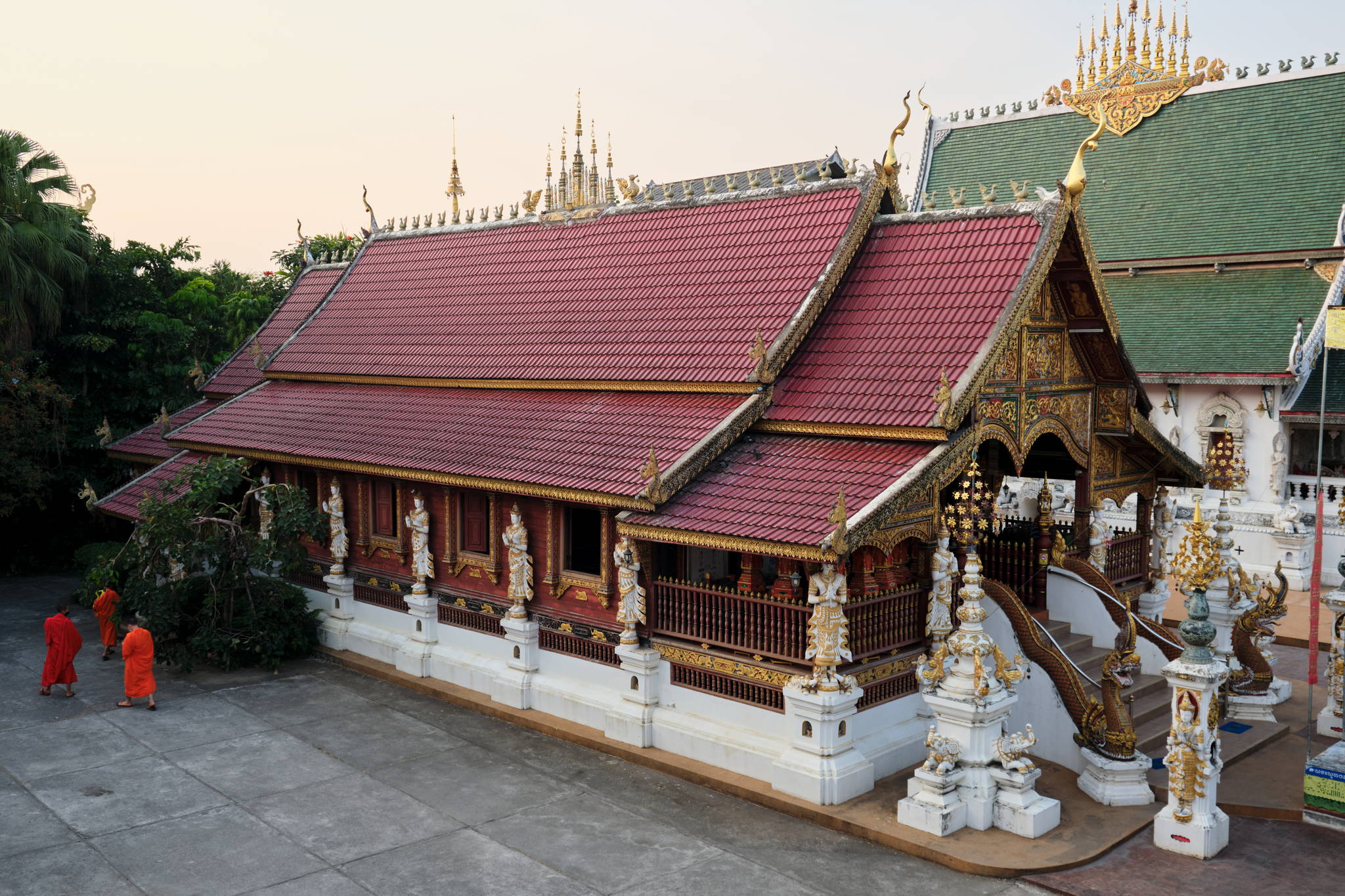
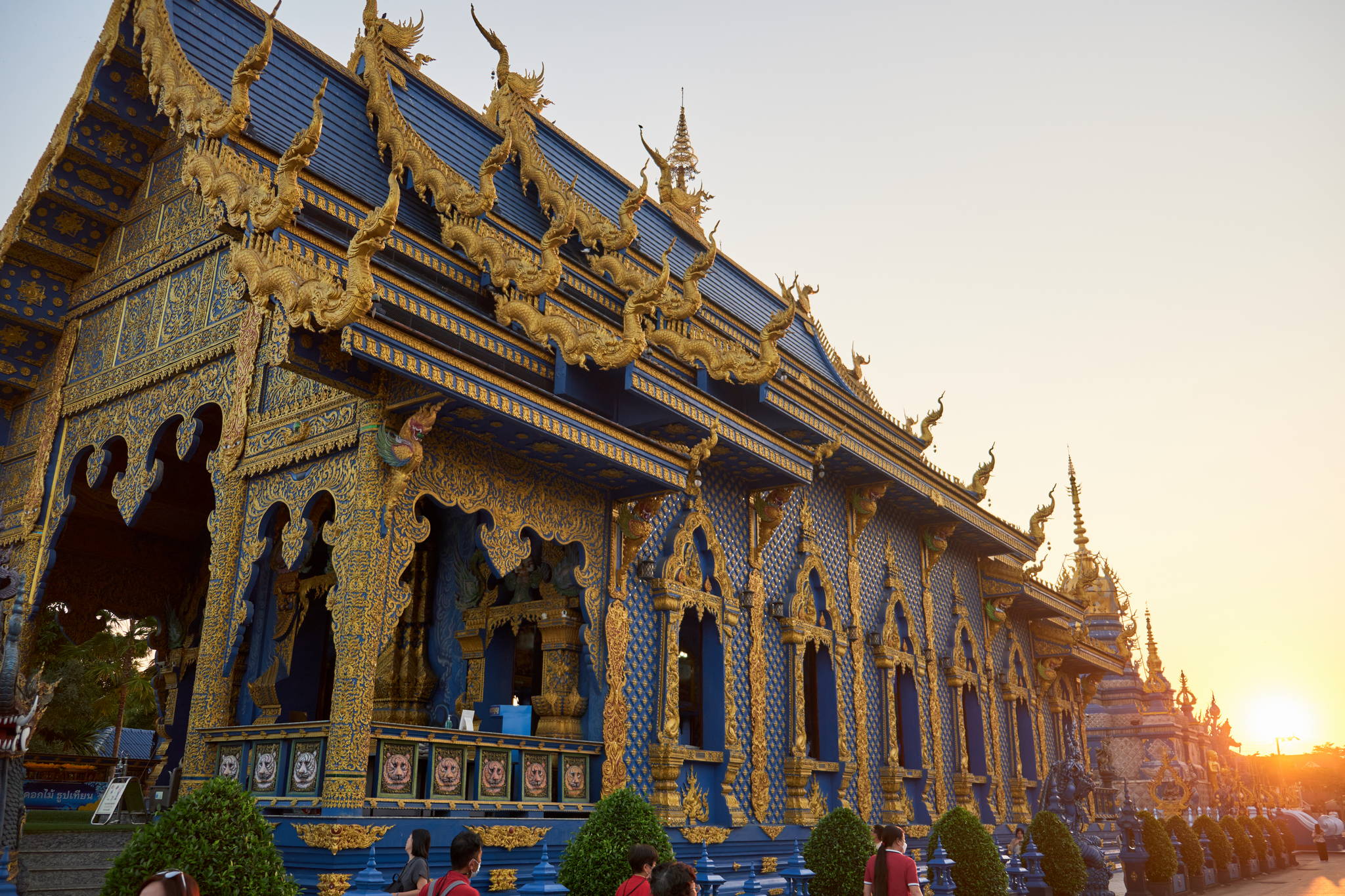
Chiang Rai is home to some of the most famous—and controversial—temples in Thailand. According to the Guide du Routard, these sites are more “architectural artworks” than traditional religious centers.
The White Temple (Wat Rong Khun)
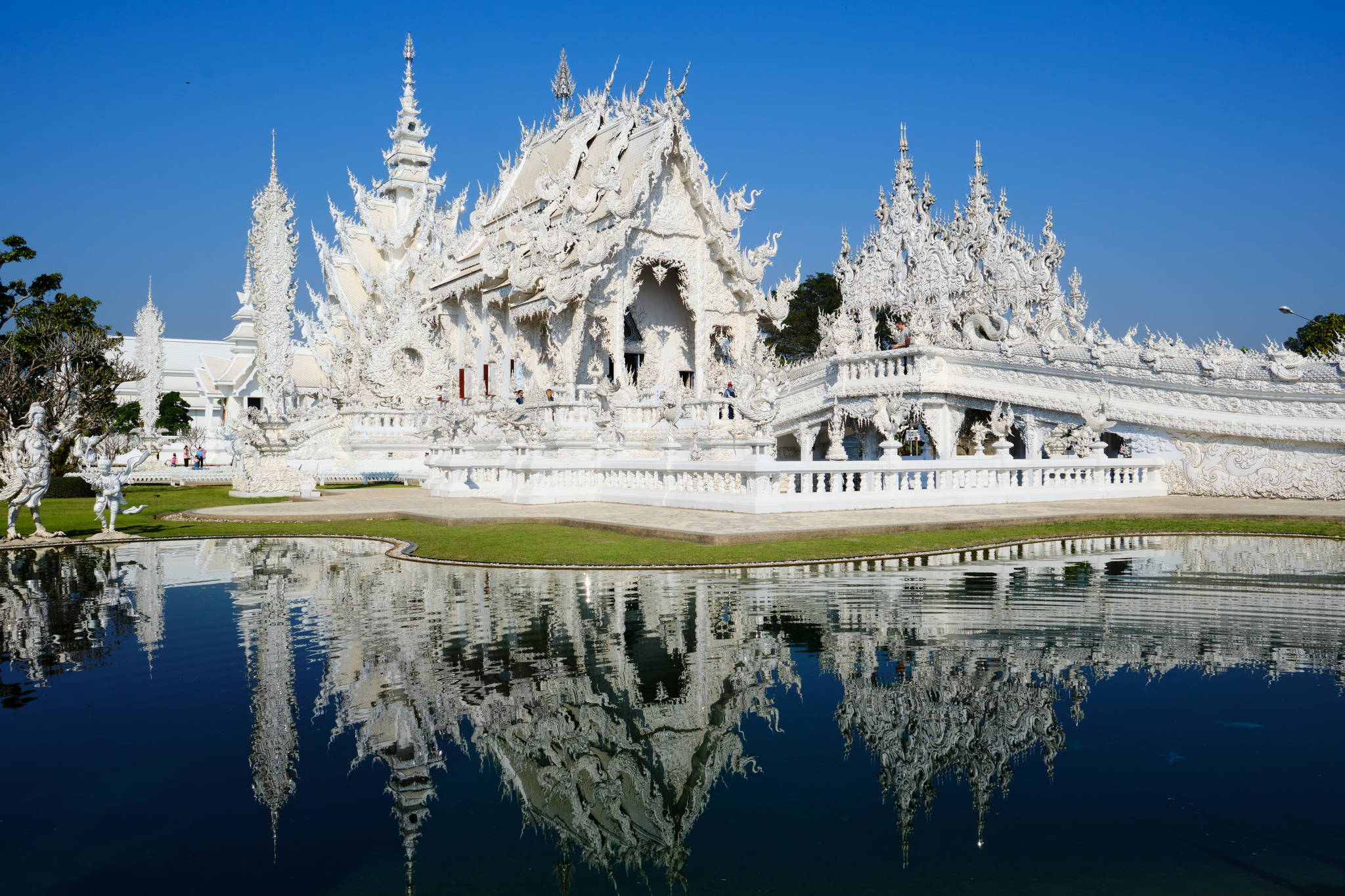
I visited the White Temple, and my first impression was that it is extremely “kitsch”. Designed by artist Chalermchai Kositpipat, it is entirely white to symbolize the purity of the Buddha, with pieces of mirror reflecting enlightenment. Construction began in 1997 and continues today at the artist’s own expense—the temple is designed to be a lasting gift to Buddha and remains privately owned.
- The “Je” Detail: Look closely at the murals inside (where photos are forbidden); you’ll see pop culture icons like Superman and Matrix characters. It’s a strange mix of heaven and hell that left me a bit puzzled, but it’s a visual shock you can’t miss.
The Blue Temple (Wat Rong Suea Ten)
Not far from the center, the Blue Temple is another modern masterpiece. The Blue Temple (Wat Rong Suea Ten) was completed in 2016 by Phuttha Kabkaeo, a student of the White Temple’s creator. The striking sapphire interior houses a magnificent white Buddha statue, creating a stunning visual contrast.
I found the sapphire blue interior mesmerizing. It’s very popular with Asian tourists and highly “Instagrammable,” but like the White Temple, it felt more like a gallery than a spiritual retreat compared to the ancient temples I had seen in previous weeks.
The Big Buddha (Wat Huay Pla Kang)
Often mistaken for a female Buddha (Guanyin), this massive white statue sits on a hill. I climbed to the top, and the view over the surrounding countryside is breathtaking. It’s a great spot to realize how small the city actually is compared to the vast nature surrounding it.
3. The Heart of the City: Night Markets & Food Culture
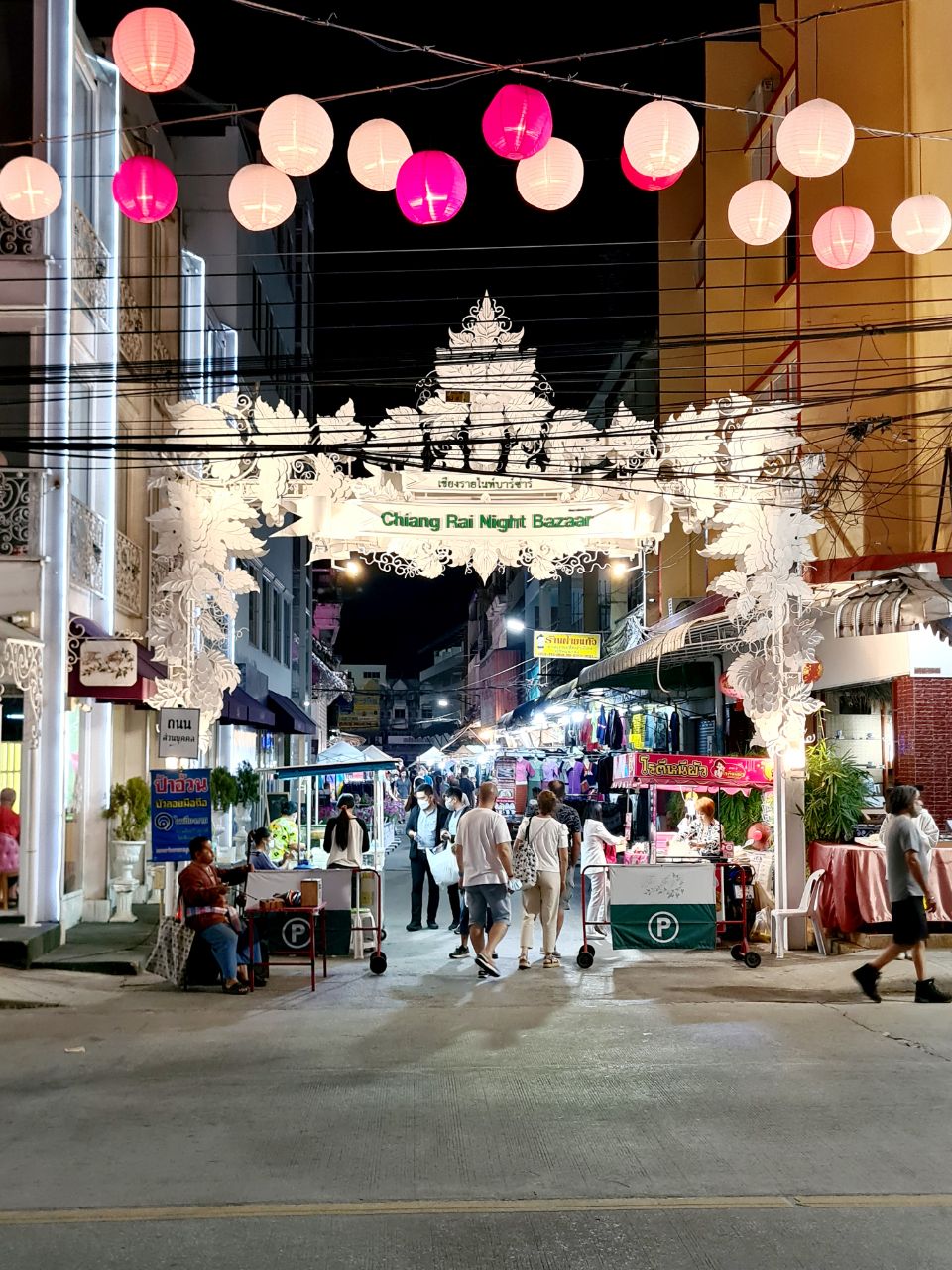
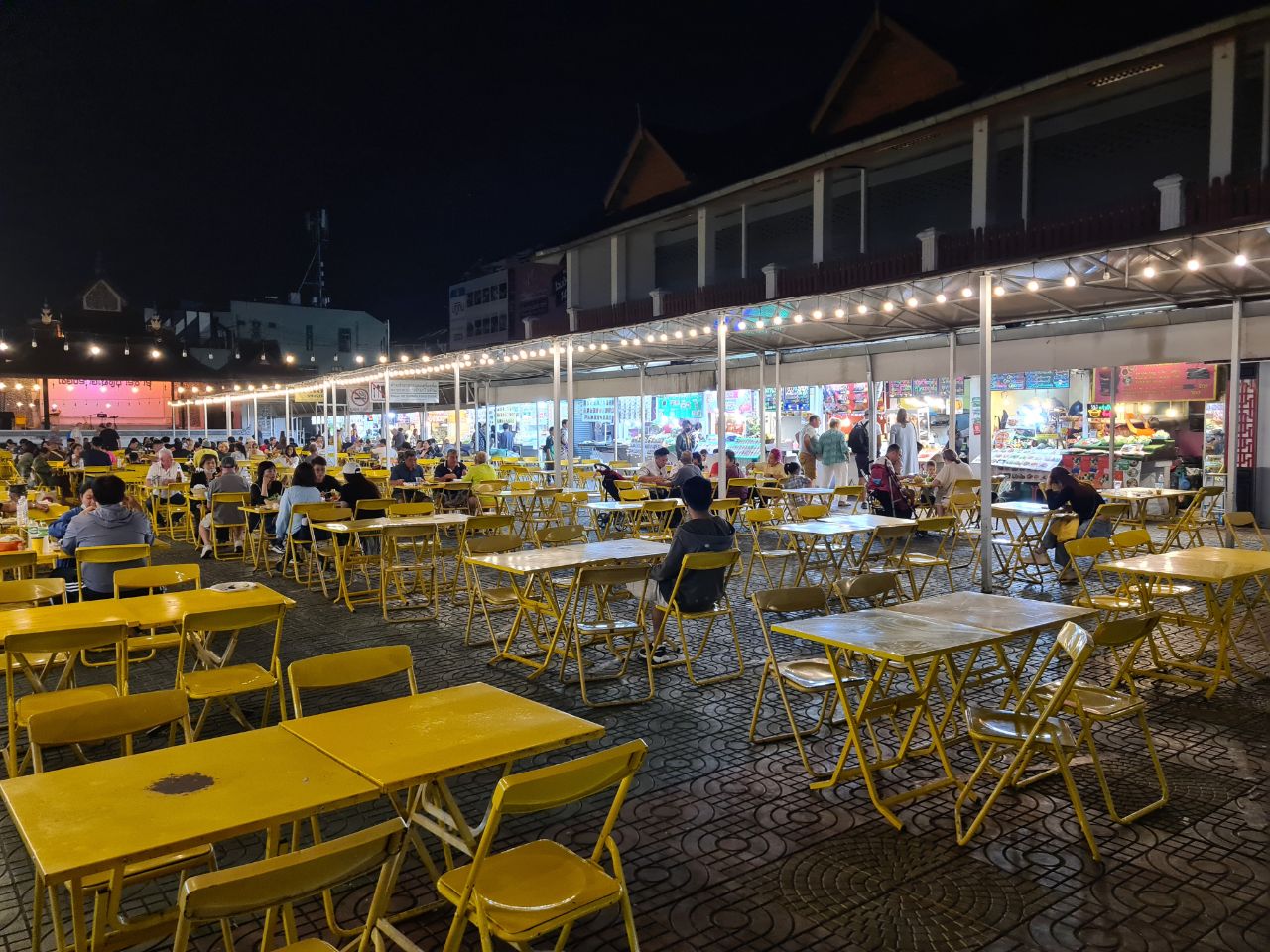
Chiang Rai truly comes alive when the sun goes down. The city is smaller and more walkable than Chiang Mai, making it easy to wander aimlessly.
The Daily Night Market
Located near the bus station, this is the place to be every evening. I loved the atmosphere here; they have a stage with local music and a large seating area. * The Food Court: It’s the perfect place to try the “Hot Pot” (a bubbling soup you cook at your table). It’s social, cheap, and delicious.
The Saturday Night Market (The Real Highlight)
If you are lucky enough to be there on a weekend, the Saturday Night Market is a must. I felt like I was in the middle of a food festival. A large part of the city is closed to traffic, and the streets are filled with vendors.
- A Feast for the Senses: There are concerts, traditional dances, and every Thai snack you can imagine.
- The “Je” Tip: Follow the crowds to the most crowded stall; that’s where the best food is! It’s an authentic experience where locals and travelers mix seamlessly.
4. Into the Wild: Jungle Treks and Hidden Falls
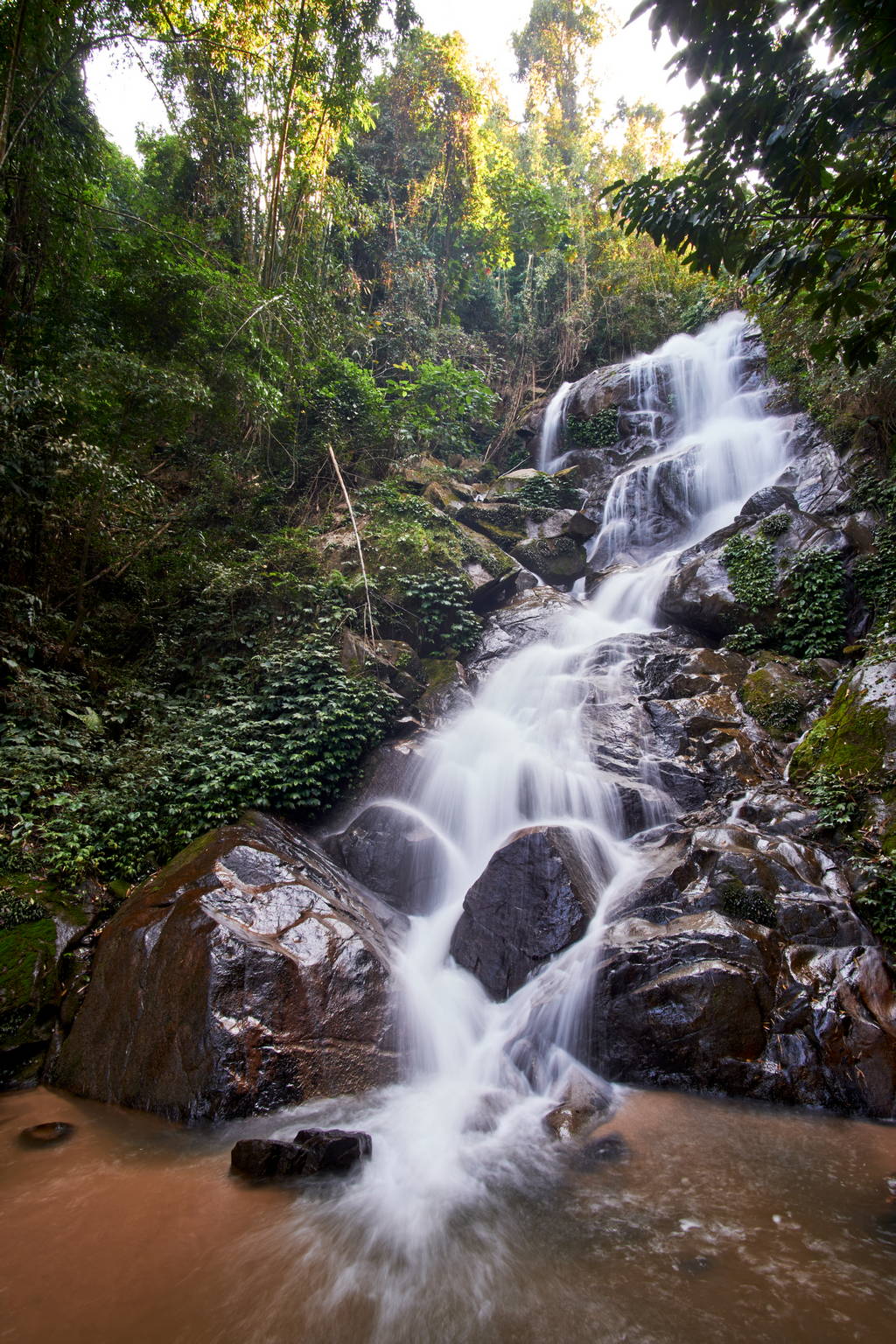
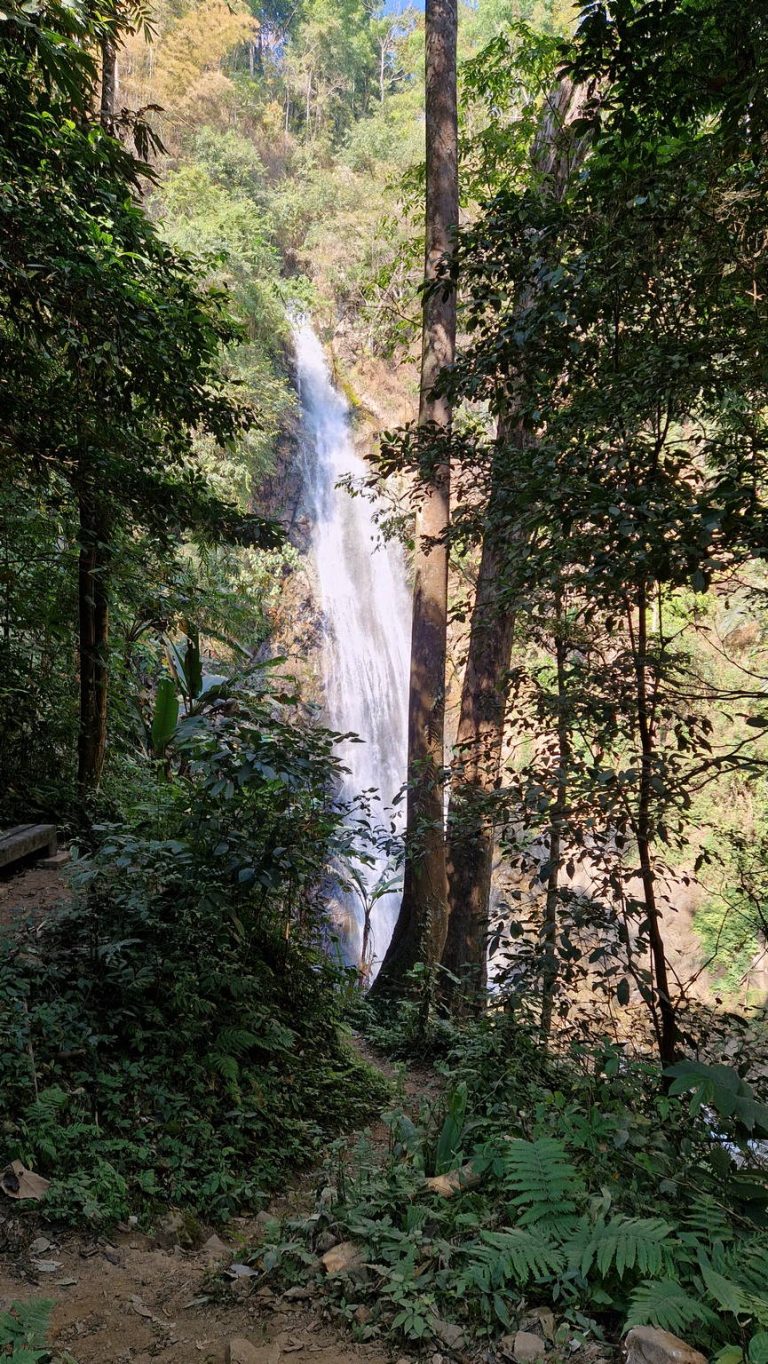
Chiang Rai isn’t just about man-made wonders; it’s a paradise for hikers who want to get their boots dirty. Unlike the more manicured paths in the South, the trails here feel raw and untamed.
The Bamboo Cathedrals
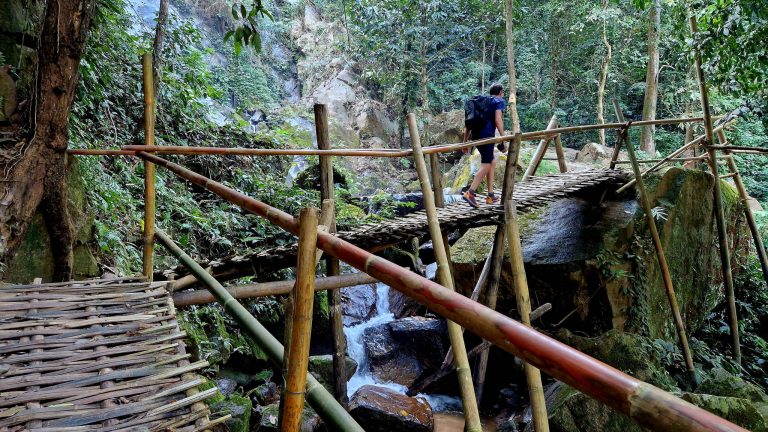
I was particularly struck by the vegetation during my hikes here. The forest is dominated by giant bamboo trees that create natural tunnels overhead. On some sections, the trail becomes quite technical. I found myself navigating through narrow paths where the roots form natural stairs. It’s a physical experience, made even more intense by the tropical humidity that sticks to your skin as soon as you leave the shade.
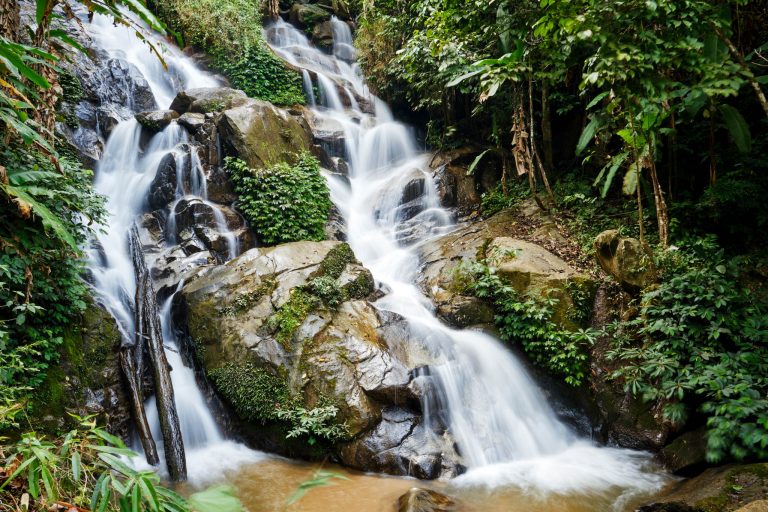
- Namtok Khun Korn: At 70 meters high, it’s the king of the region. As I mentioned in my full guide, the power of the water is so strong that the air becomes 5 degrees cooler as you approach the fall.
🥾 Read my full guide & download the GPX track for Khun Korn Waterfall here! - Huai Kaeo Waterfall: If you want something more intimate, this is it. It’s less “spectacular” than Khun Korn but perfect for a quiet picnic.
- The “Je” Tip: Don’t underestimate the “short” distances here. A 3km walk in this jungle can feel like 6km because of the steep climbs and the heat.
Huai Mak Liam Hot Springs
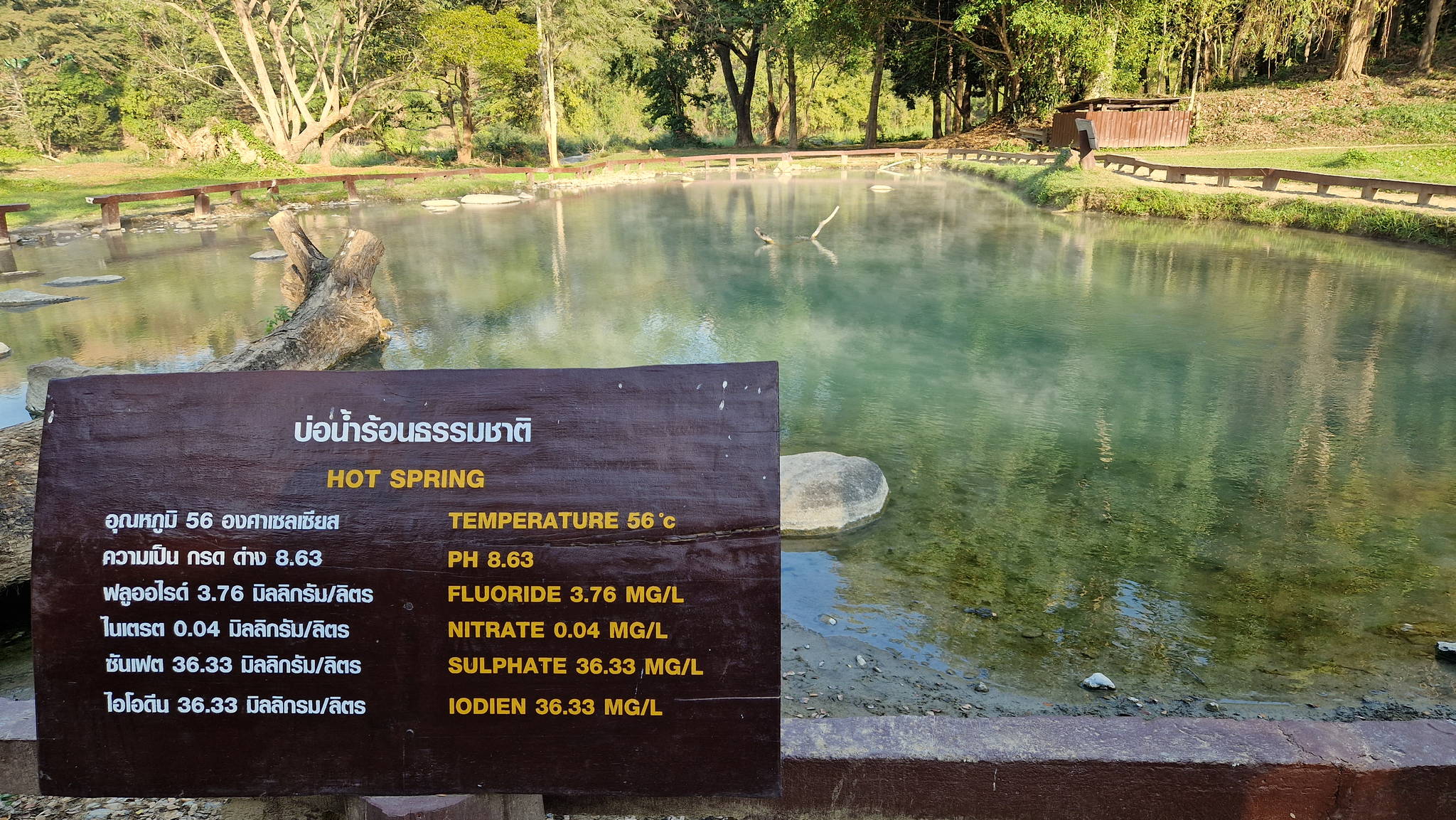
After a long day of riding and hiking, I followed a local tip and headed to the hot springs. It’s located within the Lam Nam Kok National Park.
- The Experience: You can see the water bubbling out of the ground at near-boiling temperatures (around 65°C to 80°C).
- Heritage Note: According to the Guide du Routard, these springs are part of a volcanic fault line. While you can’t swim in the boiling source, there are private huts and public pools nearby where the water is diverted and cooled to a relaxing 40°C. It was the perfect remedy for my sore muscles after 100km on the scooter.
These springs are located within the Lam Nam Kok National Park, part of a volcanic fault line. According to local geology, the water emerges from deep underground thermal sources, heated by geothermal activity.
5. Gastronomy: Beyond the Night Markets
While the street food is king, the culinary heritage of Chiang Rai is deeply influenced by its proximity to Burma and Laos (the famous Golden Triangle).
The Signature Dish: Khao Soi
You cannot visit the North without eating Khao Soi. It’s a creamy coconut curry soup with egg noodles (both boiled and deep-fried).
- My Discovery: I found that the best Khao Soi isn’t found in fancy restaurants but in the “hole-in-the-wall” spots that only open for lunch. The contrast between the spicy broth and the lime juice you squeeze over it is a flavor explosion.
The “Food Court” Culture
As I noted in my journal, the Night Market food court is a spectacle in itself. I loved the communal feeling of sitting at large yellow tables, sharing a large Leo beer, and ordering from five different stalls.
- What to try: Ask for Sai Oua (Northern Thai Sausage). It’s packed with lemongrass and kaffir lime leaves. It’s spicy, herbal, and perfect for a post-hike protein boost.
6. Practical Heritage: The Golden Triangle Context
To understand Chiang Rai, you have to understand its history. As the Routard mentions, this area was once the heart of the world’s opium trade.
A Quick History Lesson
The city was founded in 1262 by King Mengrai (Mangrai the Great) and served as the first capital of the Lanna Kingdom (“Kingdom of a Million Rice Fields”) before the capital moved to Chiang Mai in 1296. Today, while it feels modern, you can still see the Lanna influence in the wooden architecture and the slower pace of life.
The Opium Legacy: From the 1960s through the early 1990s, this region—known as the Golden Triangle—supplied most of the world’s heroin. If you have an extra day, I suggest driving up to Sop Ruak, the actual meeting point of Thailand, Laos, and Myanmar. I found the Hall of Opium museum there fascinating—it explains how the Thai Royal Family, through the Mae Fah Luang Foundation established by Princess Srinagarindra in 1988, helped transition the local hill tribes from poppy farming to sustainable coffee, tea, and macadamia nut production. The Doi Tung Development Project has now been opium-free for over 30 years, increasing household incomes tenfold while restoring the environment.
7. Plan Your Trip: HikinThai’s Practical Summary
When to Go?
- Best Time: November to February. The air is “cool” (around 20-25°C), and the sky is clear.
- The Burning Season: Avoid March and April. Farmers burn their fields, and the air quality becomes very poor, hiding the beautiful mountain views.
For official travel advisories and current air quality information, check the Tourism Authority of Thailand – Chiang Rai page and the IQAir Chiang Rai air quality monitor during March-April.
Budgeting Your Adventure
Chiang Rai is incredibly affordable.
- Scooter: 250 THB (€6.50) / day.
- Fuel: 100km for about €2.50.
- Food: A full meal at the Saturday Market will cost you less than €5, including a drink.
- Accommodation: You can find very clean guesthouses like Tourist Inn for around €15-20 per night.
My Final Thoughts
Chiang Rai is a city that grows on you. It doesn’t scream for your attention like Bangkok; it whispers. I arrived thinking I would stay two days, but I ended up wanting more. Between the kitch art of the temples and the raw power of the waterfalls, it offers a balanced adventure that every hiker in Thailand should experience.
8. Where to Stay in Chiang Rai
Chiang Rai is a peaceful city and the perfect base for your explorations. Here are my personal recommendations:
- MORA Boutique Hotel: For a touch of luxury in the city center. The rooftop pool is perfect after a day of hiking. 👉 Check availability
- The Legend Chiang Rai: A beautiful riverside resort with traditional Lanna architecture. It feels like a tropical sanctuary. 👉 Check availability
- Tourist Inn: This is where I stayed. It’s budget-friendly, clean, and there is a great motorbike rental right next door. 👉 Check availability
- Riva Vista Riverfront: A very modern and photogenic resort right on the river bank. 👉 Check availability
9. Best Hikes & Trails in the Region
Ready to swap the temples for the jungle? Chiang Rai is a playground for nature lovers, offering some of the most scenic trails in Northern Thailand. From hidden falls to giant bamboo forests, here are my top recommended hikes in the area. Grab your boots and explore!
-
Ban Li Khai Rice Terraces Hike: 18km Loop Through Northern Thailand’s Highlands
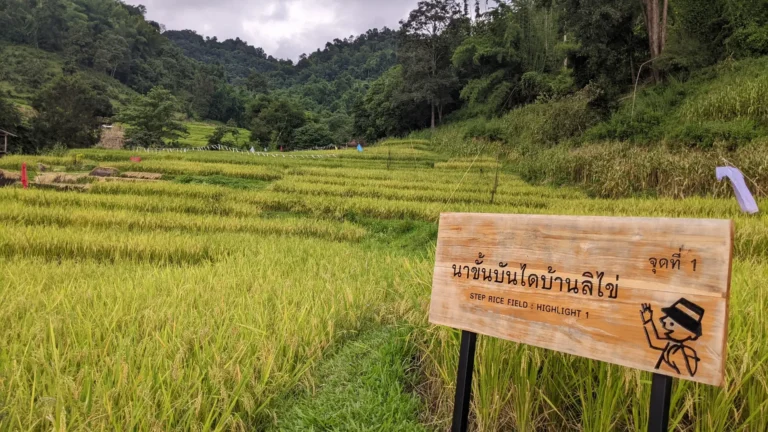
18.0 km | 🔴 Challenging — One of Chiang Rai’s most rewarding challenges. I climbed through Lahu villages and spectacular rice terraces, discovered two hidden waterfalls, summited at 1,170m, then descended the opposite ridge through dense jungle. A true mountain adventure far from the tourist trail.
-
Huai Kaeo Waterfall Hike: 12km Akha Loop near Chiang Rai
12.1 km | 🟠 Moderate — Discover the hidden side of Chiang Rai with this loop through the Lam Nam Kok National Park. I loved the challenge of climbing through Akha territory to reach the powerful Huai Kaeo Waterfall before finishing the trek along the peaceful banks of the Kok River.
-
Khun Korn Waterfall Hike: Chiang Rai’s Hidden 70m Giant
3.2 km | 🟢 Easy — Standing at 70 meters tall, Khun Korn is the most impressive waterfall in the Chiang Rai province. I loved this short hike through giant bamboo forests that leads to a refreshing natural pool at the foot of the falls.