Chiang Mai Travel Guide: Temples, Mountains & Night Markets
Chiang Mai isn’t Bangkok. This Chiang Mai travel guide explores why Thailand’s northern capital beats to a slower, more contemplative rhythm while the country’s modern capital races forward with skyscrapers and subway lines. Founded in 1296 as the capital of the Lanna Kingdom, this city of 300+ temples remains deeply rooted in its traditions—yet vibrant enough to host nightly markets, live music scenes, and a thriving community of digital nomads and long-term travelers.
I spent 10 days in Chiang Mai and quickly realized the city rewards those who look beyond the obvious. Yes, you’ll visit Wat Phra That Doi Suthep (it’s unmissable), but the real magic happens in lesser-known spots: the colorful temples of Lamphun that locals cherish, the summit of Doi Inthanon where military bases share space with Buddhist chedis, and the Sunday Night Market where rock musicians jam with violinists between food stalls.
This guide is designed for independent travelers who want to experience Chiang Mai authentically—whether you’re here for temple architecture, mountain trails, or simply soaking up the city’s creative energy. From practical transport advice (including my experience renting a car) to neighborhood-by-neighborhood breakdowns, here’s everything you need to plan your stay in Northern Thailand’s most enchanting city.
🎒 Trip Essentials
- 🌡️ Best Time:
Nov to Feb (Cool Season) - 🛵 Transport:
Scooter or Songthaew (Red Trucks) - 💰 Daily Budget:
€30 - €50 (Mid-range) - 📶 Connectivity:
4G/5G is excellent everywhere
💡 Quick Tips
- 👗 Temple Dress Code:
Shoulders & knees covered - 🏍️ Fuel Price:
~40 THB / Liter (95 Octane) - 🍜 Must Eat:
Khao Soi (Coconut Curry Noodles) - 🏧 Cash:
Carry THB for markets & street food
Why Chiang Mai?
Chiang Mai occupies a unique position in Thailand’s cultural landscape. While Bangkok represents the country’s modern, cosmopolitan face, Chiang Mai remains the keeper of Northern Thai traditions—a city where saffron-robed monks still walk morning alms rounds through neighborhoods unchanged for generations, yet coffee shops and coworking spaces thrive alongside centuries-old temples.
Founded in 1296 by King Mengrai as the capital of the Lanna Kingdom, Chiang Mai translates to “New City”—though at over 700 years old, it’s anything but new. The Lanna Kingdom flourished here until 1558, and its cultural legacy remains visible everywhere: in the distinctive architecture of Northern Thai temples, in the Lanna script still used on street signs, and in traditions like the Yi Peng Lantern Festival that draws visitors from around the world.
I arrived in Chiang Mai by train from Lampang—a slow, wonderfully authentic 2-hour journey in third class that cost less than 1 euro per person to cover 100 kilometers. The leisurely pace felt appropriate for entering a city that, despite being Thailand’s second-largest urban center with 1.2 million people, maintains an almost village-like intimacy within the Old City’s ancient moat walls.
What sets Chiang Mai apart is its balance. You can spend mornings hiking the Monk’s Trail to Doi Suthep’s golden chedi, afternoons exploring traditional craft villages, and evenings at night markets where rock musicians collaborate with traditional Thai violinists. The city has evolved into Southeast Asia’s digital nomad capital without losing its soul—a rare achievement that makes it equally appealing whether you’re here for three days or three months.
The surrounding mountains offer endless opportunities for adventure, from the 2,565-meter summit of Doi Inthanon to remote hill tribe villages and jungle waterfalls. But Chiang Mai’s real magic lies in how seamlessly it blends the sacred and the secular, the ancient and the modern, the Thai and the international. It’s a city that rewards curiosity and slow exploration—exactly the kind of place that reveals itself gradually, one temple visit and one bowl of Khao Soi at a time.
When to Visit Chiang Mai
Chiang Mai’s climate follows three distinct seasons, each offering a different experience of the city and surrounding mountains.
Cool Season (November to February) – Best Overall
This is peak season for good reason. Temperatures range from a pleasant 15°C at night to 28°C during the day—perfect for temple exploration and mountain hiking. I visited in late December and found the weather ideal for both city wandering and day trips to Doi Inthanon. The cool mornings make the Monk’s Trail hike particularly enjoyable, and evenings at the night markets are comfortable without the oppressive heat.
December and January are the busiest months, so accommodation prices rise and popular spots get crowded. Book hotels and car rentals in advance if visiting during this peak window. The Yi Peng Lantern Festival (usually November, coinciding with Loy Krathong) is Chiang Mai’s most spectacular event, when thousands of paper lanterns illuminate the sky—but expect the city to be absolutely packed.
Hot Season (March to May) – Budget Travel
Temperatures soar to 35-40°C, making midday activities uncomfortable. However, this is also the cheapest time to visit Chiang Mai, with significant discounts on accommodation. If you can handle the heat, early mornings and late afternoons are still pleasant for sightseeing.
The major downside: March to early April brings the “burning season,” when farmers burn fields across Northern Thailand. This creates a thick haze that obscures mountain views and causes air quality to plummet. Chiang Mai regularly ranks among the world’s most polluted cities during this period. If you have respiratory issues, avoid this season entirely.
Rainy Season (June to October) – Green & Quiet
Monsoon rains transform the landscape into lush green, and waterfalls throughout Doi Suthep-Pui National Park flow at full force. Temperatures drop slightly to 25-32°C. Rain typically comes in afternoon downpours rather than all-day drizzle, so mornings are often clear for activities.
Tourist numbers drop significantly, making this an excellent time for those who don’t mind occasional weather disruptions. The Sunday Night Market continues regardless of rain (vendors have covered stalls), and temple visits remain pleasant between showers. Just be prepared for muddy trails if hiking.
My Recommendation: November to February offers the best overall experience, but if you’re flexible and don’t mind heat, late October or early November provides great weather with fewer crowds as the rainy season ends.
Getting to Chiang Mai
Chiang Mai’s accessibility is one of its greatest advantages—whether you’re arriving from Bangkok, international destinations, or other parts of Northern Thailand, multiple transport options make reaching the city straightforward.
By Air
Chiang Mai International Airport is Thailand’s fourth-busiest, with excellent domestic and international connections. The airport sits just 4 kilometers southwest of the Old City, making it one of the most convenient urban airports in Southeast Asia.
Domestic Flights: Multiple daily flights from Bangkok (1 hour 20 minutes) on Thai Airways, Bangkok Airways, AirAsia, and Nok Air. Expect to pay 1,500-3,000 THB depending on booking timing. Flights also connect Chiang Mai with Phuket, Krabi, and Koh Samui for multi-region trips.
International Flights: Direct connections from Singapore, Kuala Lumpur, Hong Kong, Seoul, and several Chinese cities.
Airport to City: Grab taxis cost 150-200 THB to the Old City (15 minutes). Red songthaews operate from the airport for 40-60 THB per person if you don’t mind sharing.
Compare flight prices and book your tickets on 12Go.asia.
By Train
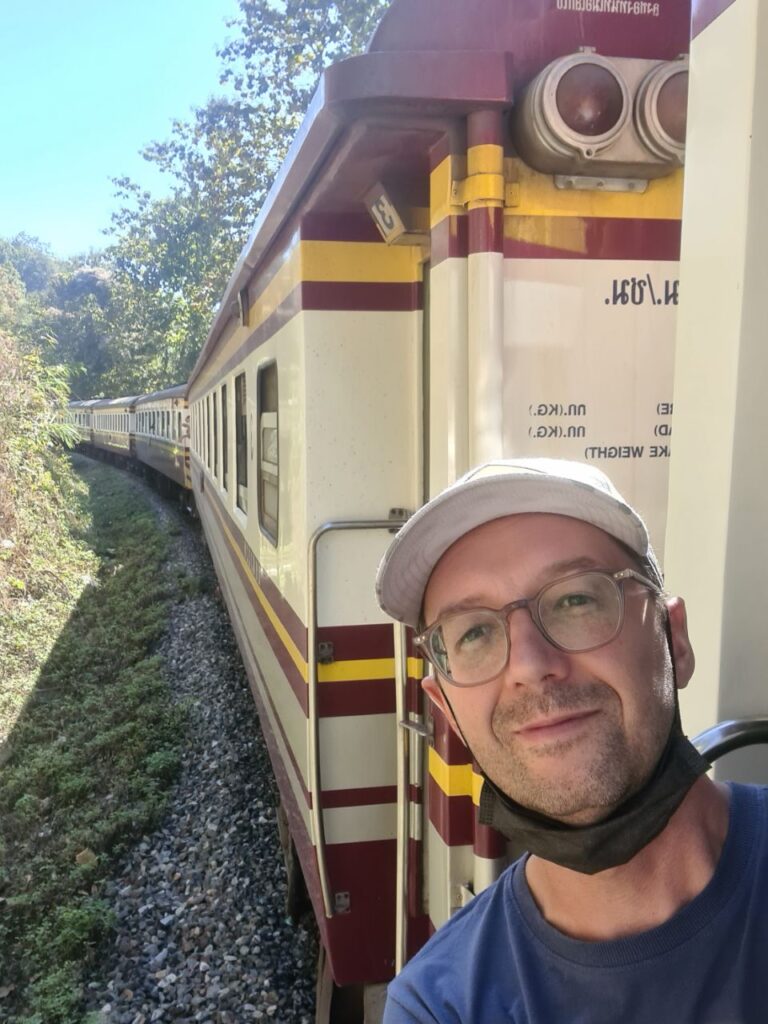
The overnight sleeper train from Bangkok is one of Thailand’s classic travel experiences. I arrived in Chiang Mai by train from Lampang—slow, incredibly cheap (less than 1 euro for 100 kilometers), and utterly authentic.
From Bangkok: Departs Hua Lamphong Station around 18:00-19:00, arrives Chiang Mai 07:00-09:00 (11-13 hours). Second-class sleeper berths cost 600-900 THB—a fraction of flight prices and you save a night’s accommodation. First-class private cabins available for around 1,500 THB.
Train Station to City: Chiang Mai Railway Station sits 3 kilometers east of the Old City. Red songthaews charge 40-60 THB, or Grab taxis around 100-120 THB.
By Bus
Multiple bus companies operate between Bangkok and Chiang Mai (9-11 hours). VIP buses with reclining seats cost 600-900 THB and depart from Mo Chit Northern Bus Terminal.
I generally prefer the train for overnight journeys—sleeper berths are more comfortable than bus seats. However, buses offer more departure times and slightly faster travel.
Check bus schedules and compare prices on 12Go.asia.
By Car
Renting a car makes sense for extensive Northern Thailand exploration. I rented a Toyota Yaris for day trips to Lamphun and Doi Inthanon—having independent transport opened up areas difficult to reach otherwise.
From Bangkok: 700 kilometers (8-9 hours) via Highway 1 and Highway 11. Road conditions excellent.
Rental in Chiang Mai: Major agencies operate at the airport and city center. Expect 800-1,500 THB per day. Getting the car was a bit of a mess (Thai rental agencies can be disorganized), but once sorted, having wheels gave us total freedom.
Book your car rental on QEEQ for the best rates.
Important: Drive defensively, carry an International Driving Permit, and ensure proper insurance coverage.
Plan your trip to Chiang Mai
Need to book your bus from Bangkok or a ferry? Check all schedules and prices on 12Go.asia.
Getting Around Chiang Mai
Chiang Mai’s compact Old City and well-developed transport network make getting around relatively straightforward, whether you prefer two wheels, four wheels, or relying on local transit.
On Foot
The Old City is entirely walkable—the square bounded by the ancient moat measures just 1.5 kilometers per side. I spent an entire afternoon walking from temple to temple within the walls, and it’s genuinely pleasant. Wide sidewalks, tree-lined streets, and temples every few blocks make for engaging urban exploration.
However, Chiang Mai’s heat can be brutal during midday, especially March to May. Early morning and late afternoon are the best times for walking. Distances outside the Old City quickly become impractical on foot—the Night Bazaar area is manageable (20-30 minutes from the Old City), but reaching Doi Suthep or Nimman requires wheels.
By Scooter
Renting a scooter is the most popular option for independent travelers. Chiang Mai’s traffic is significantly calmer than Bangkok’s chaos, making it manageable even for nervous riders. Rental shops are everywhere, particularly around the Old City and Nimman area.
Cost: 150-250 THB per day for automatic scooters. Weekly rates often drop to 800-1,200 THB.
Requirements: Technically you need an International Driving Permit with motorcycle endorsement, though enforcement varies. Police checkpoints do operate, especially near tourist areas, and fines are 500 THB if you can’t produce proper documentation.
Parking: Generally easy and free throughout the city. Most temples, markets, and restaurants have designated scooter parking areas.
I didn’t rent a scooter this trip (we had the car), but on previous visits I found it ideal for flexibility—quick trips to markets, temple-hopping, and escaping the Old City crowds.
By Red Songthaew (Shared Taxi)
These red pickup trucks with bench seats are Chiang Mai’s public transport backbone. They operate on semi-fixed routes but function more like shared taxis—flag one down, tell the driver your destination, and if it’s on their route, they’ll take you.
Cost: 30-40 THB per person for trips within the city. Longer distances or solo rides cost 60-100 THB (negotiate before boarding).
How to Use: Stand roadside and flag down any red songthaew. Tell the driver your destination in English or show them on your phone. They’ll nod if they’re going that direction. Ring the bell when you want to stop.
I used songthaews regularly for getting to the Night Market and back to our hotel—convenient, cheap, and authentically local. Just be patient, as they often make multiple stops picking up and dropping off other passengers.
By Grab (Ride-Hailing App)
Grab operates throughout Chiang Mai and offers the most predictable, hassle-free transport. Pricing is transparent, drivers speak some English, and you don’t need to negotiate.
Cost: Trips within the Old City run 50-80 THB. Old City to Nimman around 80-120 THB. To the airport 150-200 THB.
Availability: Generally excellent, though during peak hours (morning and evening rush) or at popular tourist spots, you might wait 5-10 minutes for a driver.
I use Grab when I need reliability—late-night market returns, airport transfers, or when carrying luggage. Download the app and link a credit card before arriving in Thailand.
By Rental Car
Renting a car makes sense if you’re planning day trips outside Chiang Mai. I rented a Toyota Yaris for exploring Lamphun and Doi Inthanon, and having a car transformed what was possible. We could leave early, stop wherever we wanted, and return on our own schedule.
Cost: 800-1,500 THB per day depending on vehicle type. Book through international agencies (Hertz, Budget) or local companies.
Driving in Chiang Mai: Traffic is manageable compared to Bangkok, but stay alert. Thai drivers are assertive, traffic rules are… flexible, and motorbikes appear from unexpected angles. That said, once you adjust to the rhythm, it’s not as intimidating as it seems.
Parking: Free parking is widely available at temples, national parks, and most restaurants. The Old City can be trickier—use hotel parking or pay lots (20-40 THB).
Book your rental car on QEEQ for competitive rates and verified companies.
By Bicycle
Several guesthouses and rental shops offer bicycles for 50-100 THB per day. The Old City’s flat terrain makes cycling pleasant, though heat and traffic outside the moat can be challenging. It’s a nice option for leisurely temple exploration if you’re comfortable in traffic.
My Recommendation: Scooter for maximum flexibility, songthaews for budget-conscious travelers, Grab for convenience, and rental car only if planning serious day-trip exploration beyond what tours offer.
What to Do in Chiang Mai
Chiang Mai rewards both structured sightseeing and aimless wandering. The city’s 300+ temples could keep you busy for weeks, but the real magic comes from mixing cultural exploration with local experiences—night markets, mountain hikes, and stumbling upon neighborhoods where daily life unfolds unchanged by tourism.
The Old City: Temple Hopping & Cultural Heart
The square Old City, enclosed by its ancient moat, contains Chiang Mai’s densest concentration of temples. You could spend days here and barely scratch the surface, but a few temples stand out as essential visits.
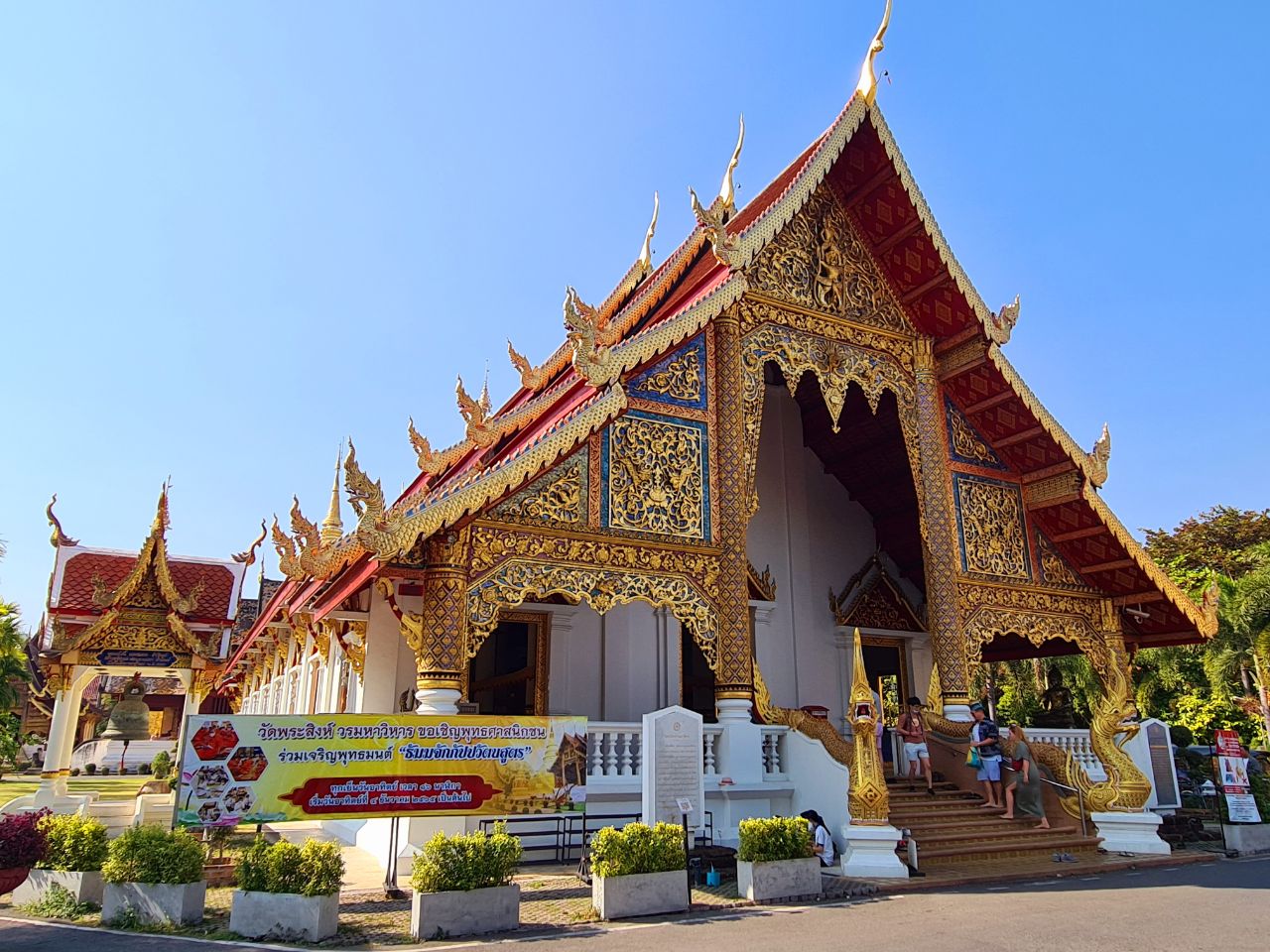
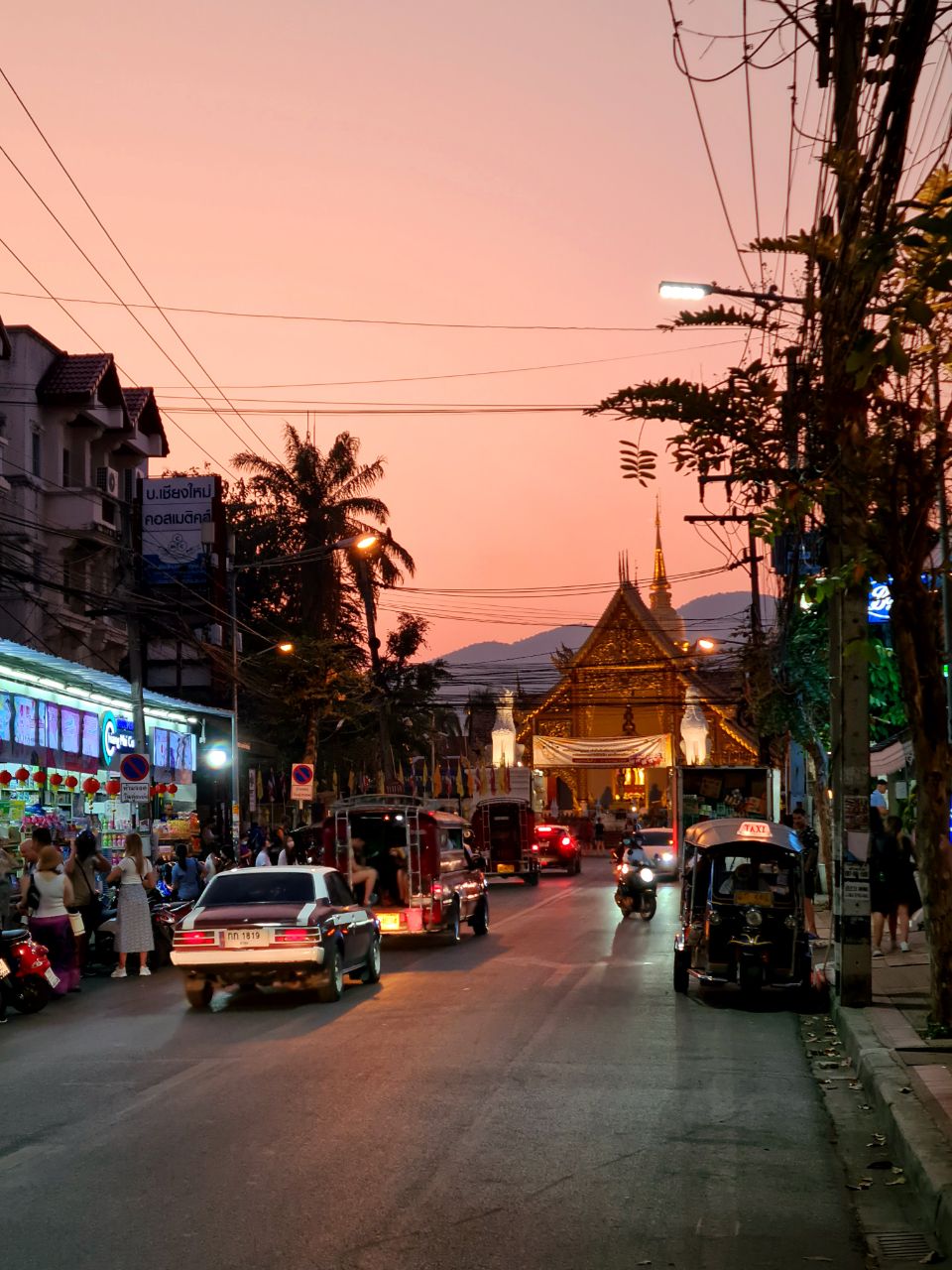
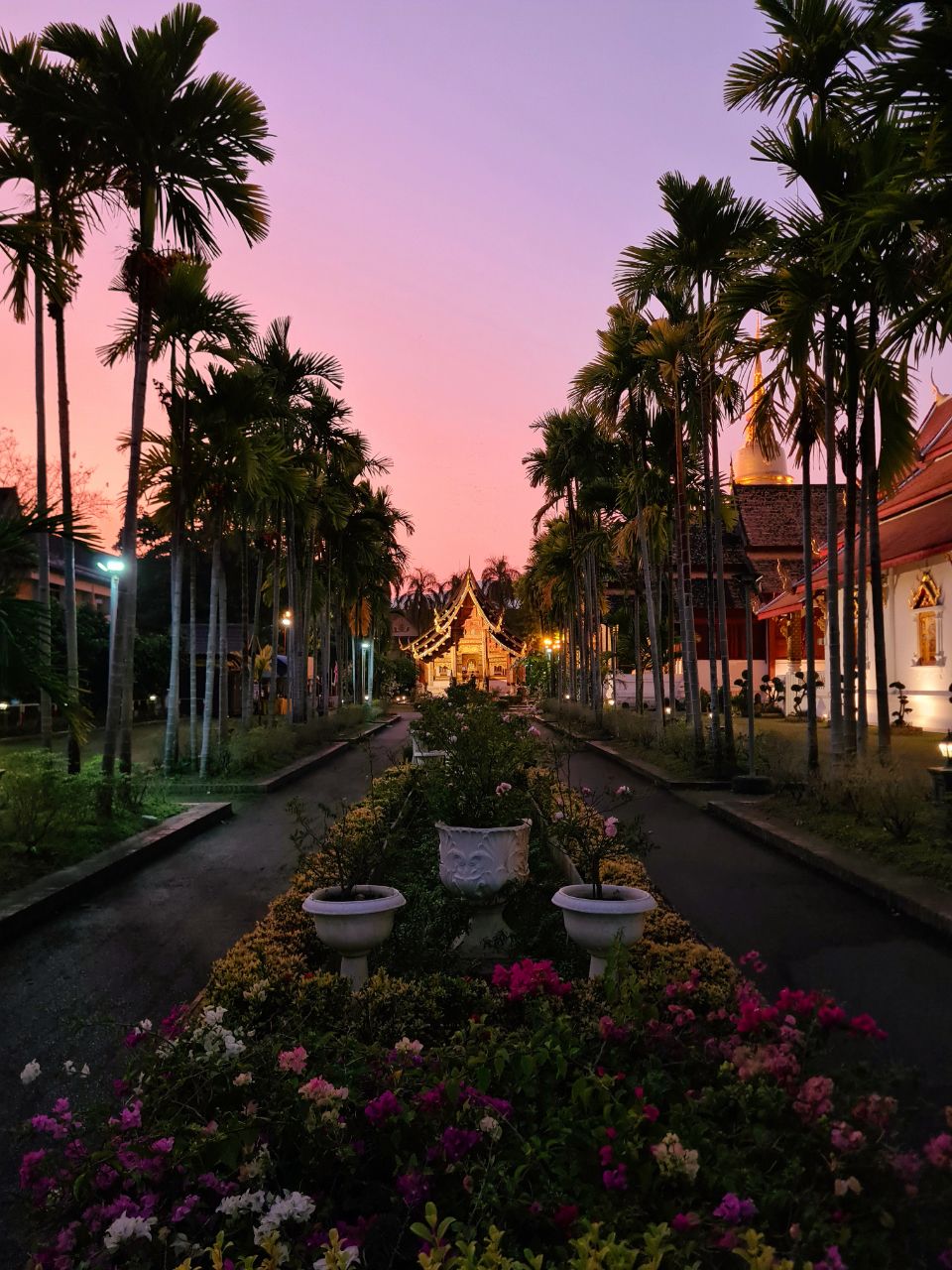
Wat Phra Singh is the Old City’s most revered temple, housing an important Buddha image and showcasing classic Lanna architecture. The main viharn (assembly hall) features intricate gold-and-red lacquerwork that’s genuinely breathtaking. I visited in the late afternoon when golden light filtered through the ornate windows—perfect timing for photography and avoiding midday heat.
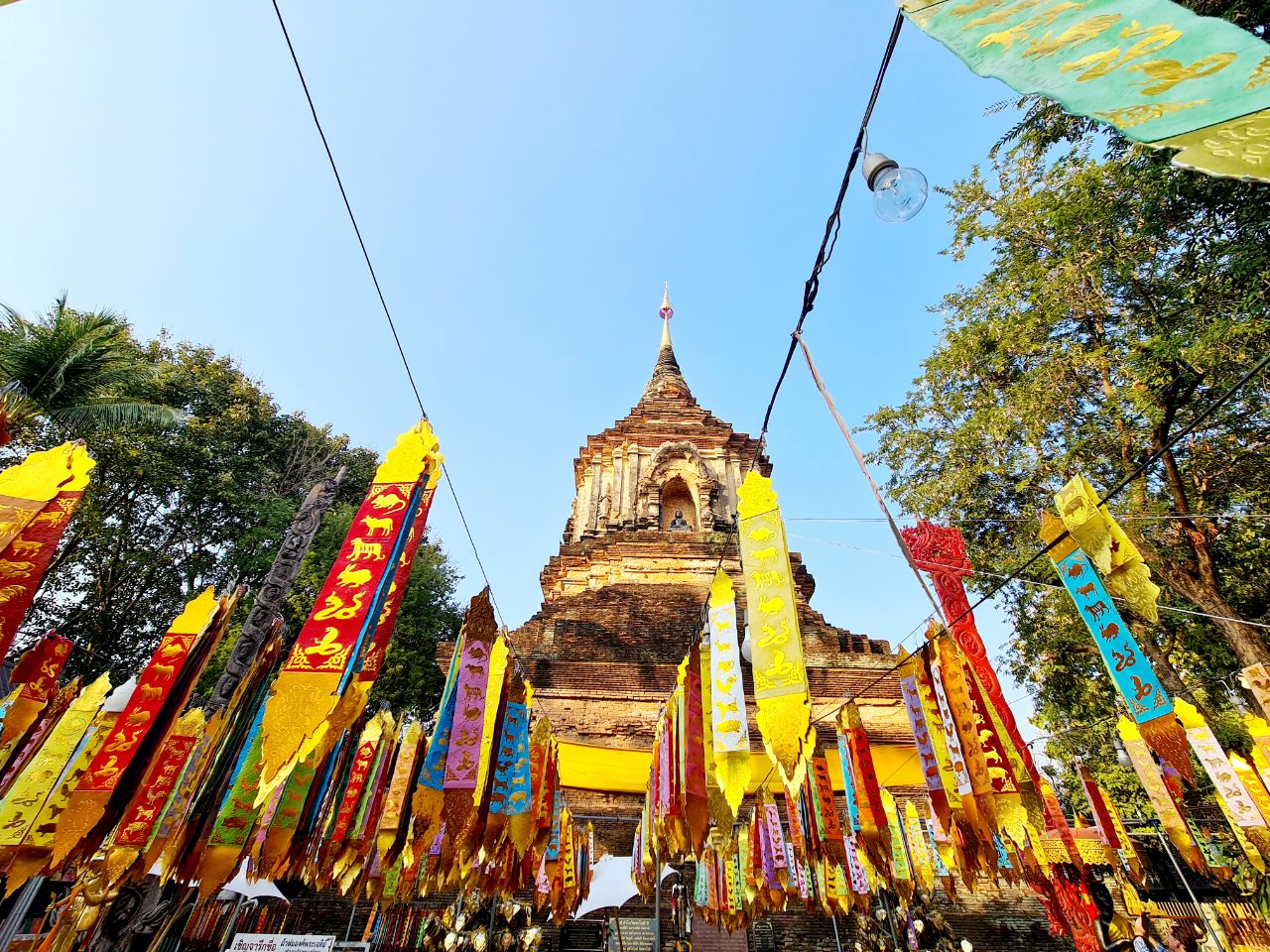
Wat Chedi Luang dominated Chiang Mai’s skyline until an earthquake partially destroyed its massive chedi in 1545. Even in ruins, the structure is imposing—80 meters tall with naga (serpent) staircases and elephant buttresses. The complex also houses the city pillar and offers daily monk chats where you can ask Buddhist monks about their lives and beliefs.
Wat Phan Tao, right next to Chedi Luang, is my favorite for pure atmosphere. This all-teak temple feels intimate and artistic, with beautiful wooden carvings and a tranquil courtyard. It’s less visited than its famous neighbor, making it perfect for quiet contemplation.
I spent an entire afternoon temple-hopping on foot within the Old City walls, and it’s genuinely pleasant. The temples are rarely more than a few blocks apart, and wandering the small sois (side streets) between them reveals traditional wooden houses, family-run restaurants, and local life continuing as it has for generations.
Important: Dress respectfully at all temples—shoulders and knees covered, shoes removed before entering buildings. Most major temples charge 20-50 THB entrance fees for foreigners.
Sunday Night Market & Live Music Scene
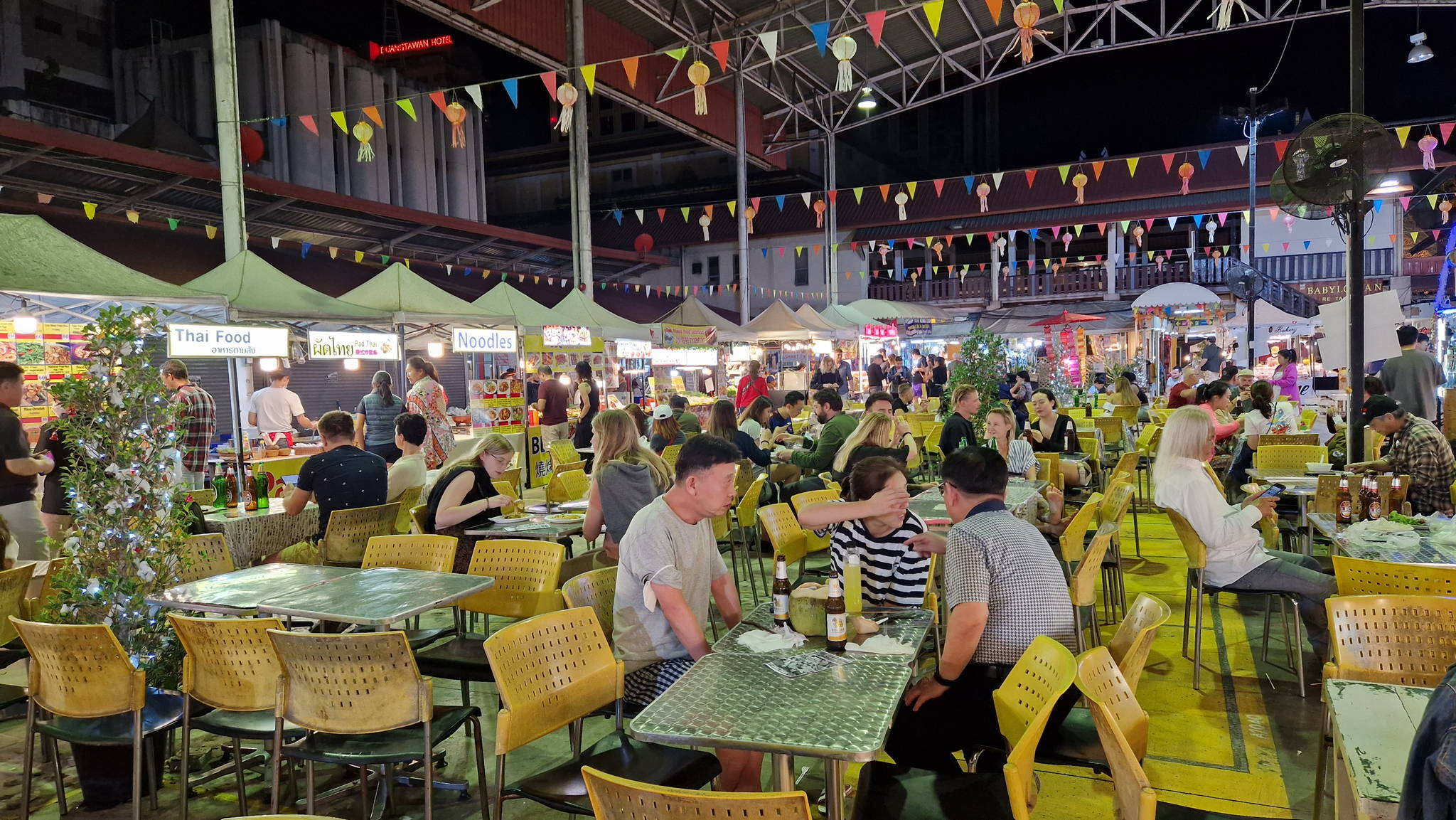
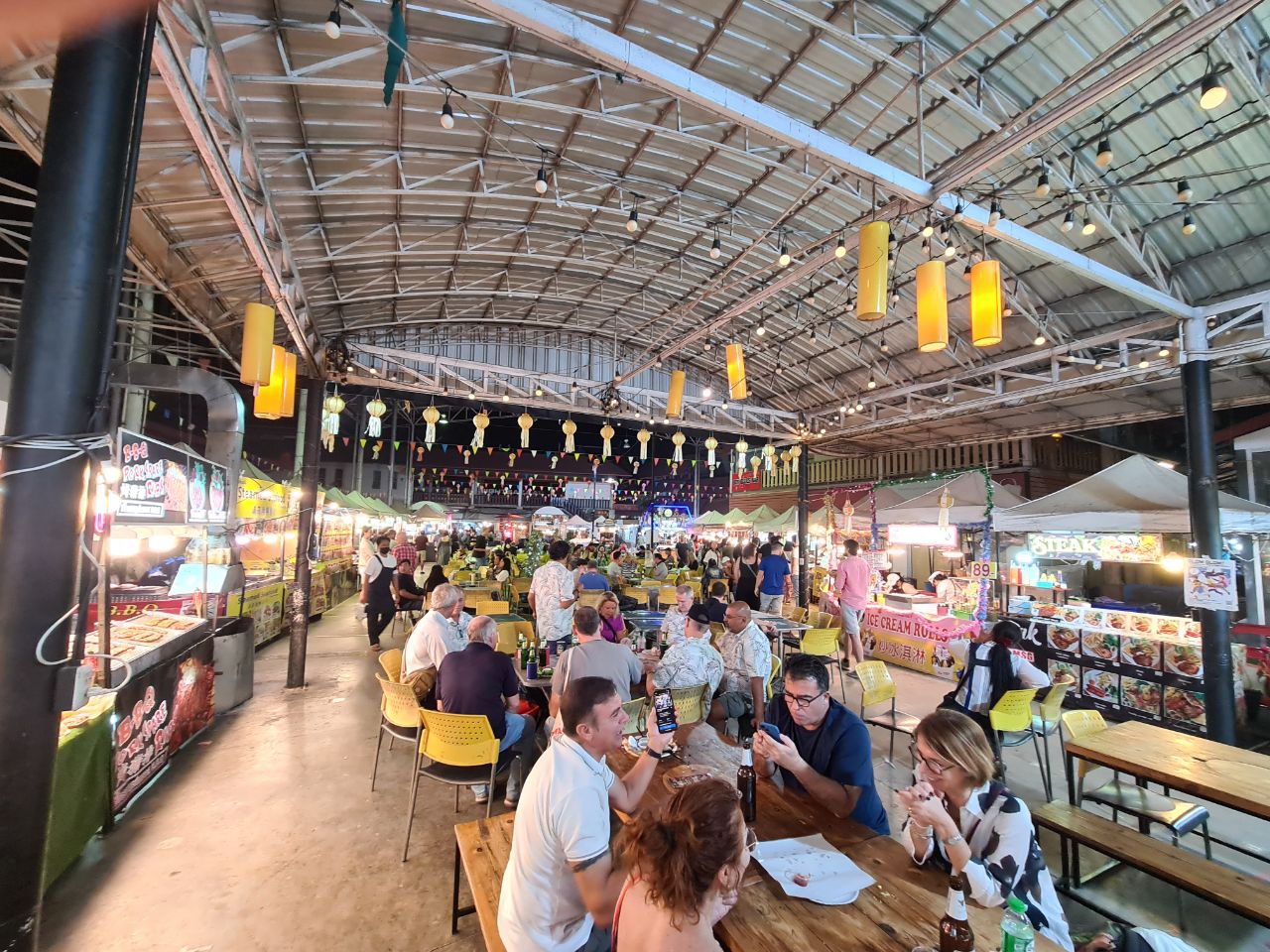
The Sunday Night Market transforms the entire main street of the Old City into Northern Thailand’s largest walking street market. Starting around 16:00, Ratchadamnoen Road closes to traffic and hundreds of vendors set up stalls selling everything from handmade crafts to street food.
I visited on my first evening in Chiang Mai, and the energy was incredible. Live music stages scattered throughout feature everything from traditional Thai instruments to—as I discovered—rock musicians jamming with violinists in an unexpectedly brilliant fusion. The first band we caught was this amazing rock-violin mix that had the crowd completely engaged. The second group’s English was incomprehensible, but their energy made up for it.
Food Options: The variety is overwhelming in the best way. Northern Thai specialties like Khao Soi, sai oua (Chiang Mai sausage), and sticky rice with mango appear alongside pad thai, grilled meats, and fresh fruit smoothies. Prices are tourist-oriented but still reasonable—40-80 THB for main dishes.
Shopping: Handmade crafts, paintings, clothing, jewelry, and souvenirs fill the stalls. Quality varies significantly, so browse carefully and don’t be afraid to negotiate (politely). I found the craftsmanship generally better than Bangkok’s tourist markets.
Crowds: The market gets packed from 18:00-21:00. Arrive earlier (16:00-17:00) for easier browsing, or come late (21:00-22:00) when vendors start offering discounts to clear stock.
Saturday Night Market operates on a smaller scale on Wualai Road, south of the Old City. Worth visiting if you miss Sunday or want a slightly less crowded experience.
Doi Suthep Mountain & The Monk’s Trail
No visit to Chiang Mai is complete without ascending Doi Suthep mountain to Wat Phra That Doi Suthep, Northern Thailand’s most sacred temple. The golden chedi gleaming from the mountainside is visible across Chiang Mai valley, and reaching it offers multiple options.
The Easy Way: Red songthaews depart from the Old City (40-60 THB per person, shared) or you can take a private Grab (200-300 THB round trip). The road winds up the mountain in dramatic switchbacks, depositing you at the temple’s base where 309 naga-flanked steps lead to the golden chedi.
The Rewarding Way: Hike the Monk’s Trail, an ancient pilgrimage route that climbs through jungle from Chiang Mai University to the temple. The full loop is 10.6 kilometers with 650 meters of elevation gain, passing the hidden jungle temple of Wat Pha Lat before reaching Doi Suthep’s summit. I wrote a complete guide to this hike—check out the Monk’s Trail Loop for detailed route information, GPX tracks, and practical tips.
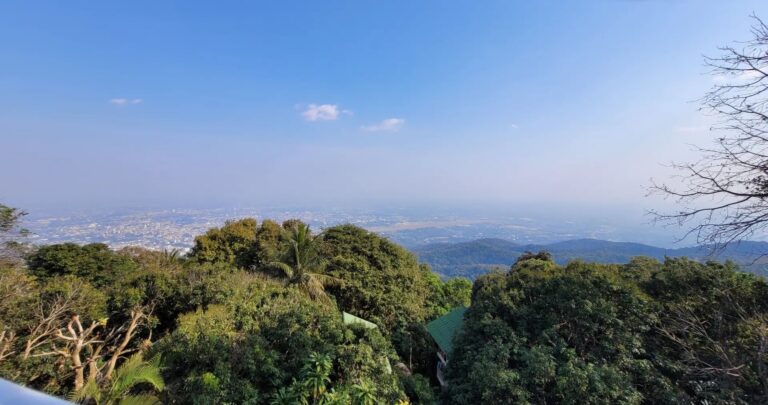
Whether you drive or hike, the temple itself is spectacular. The central golden chedi is surrounded by smaller shrines, bells, and viewpoints offering panoramic views across Chiang Mai. Arrive early (before 9:00 AM) to experience morning prayers and avoid tour bus crowds.
Entrance Fee: 30 THB for foreigners. Dress code strictly enforced.
Day Trip Ideas from Chiang Mai
Chiang Mai’s surrounding region offers exceptional day trips—from forgotten temple towns to Thailand’s highest peak. Having a rental car unlocks these destinations, though organized tours and public transport also reach most locations.
Lamphun: The Forgotten Temple Town
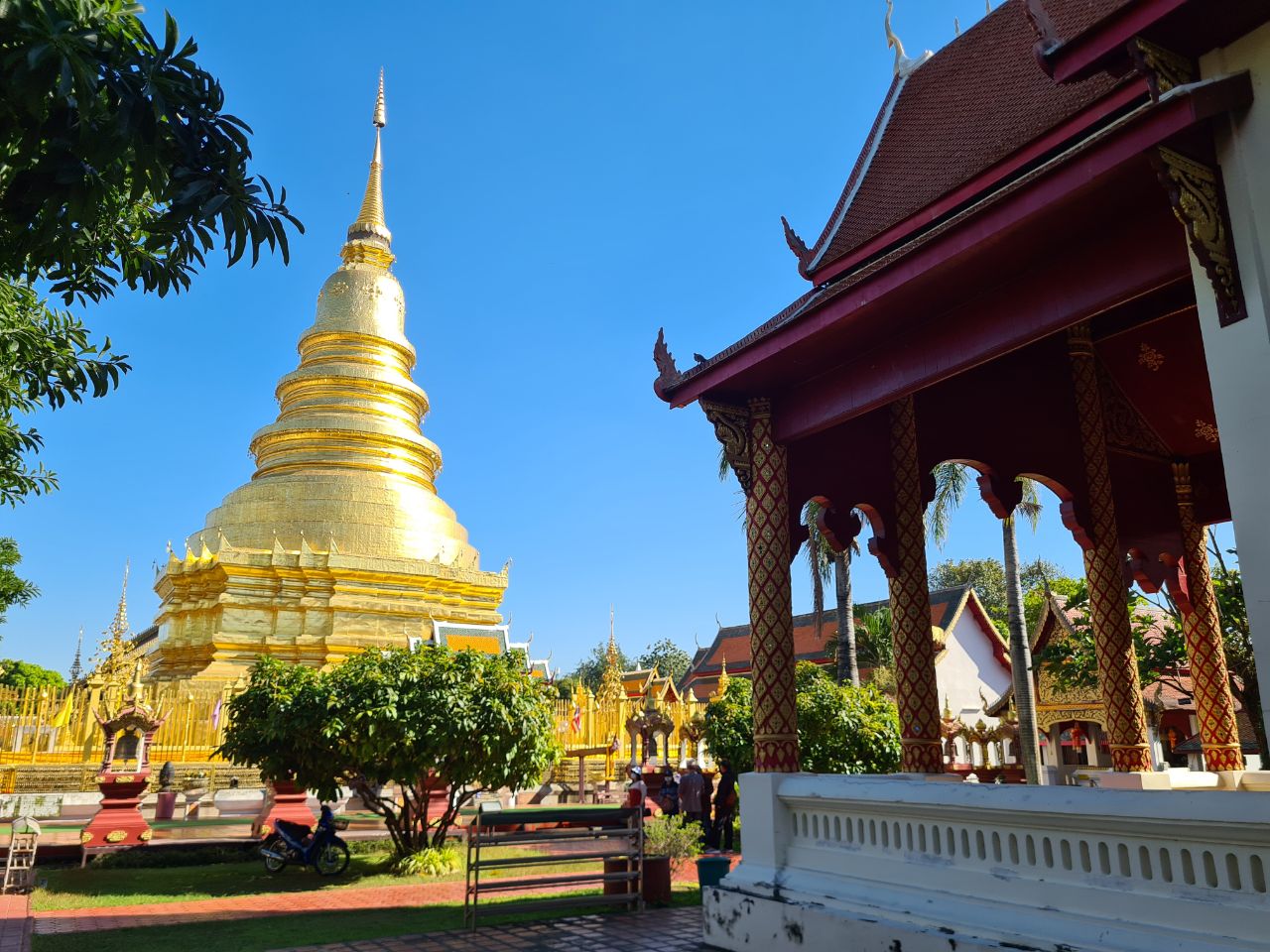
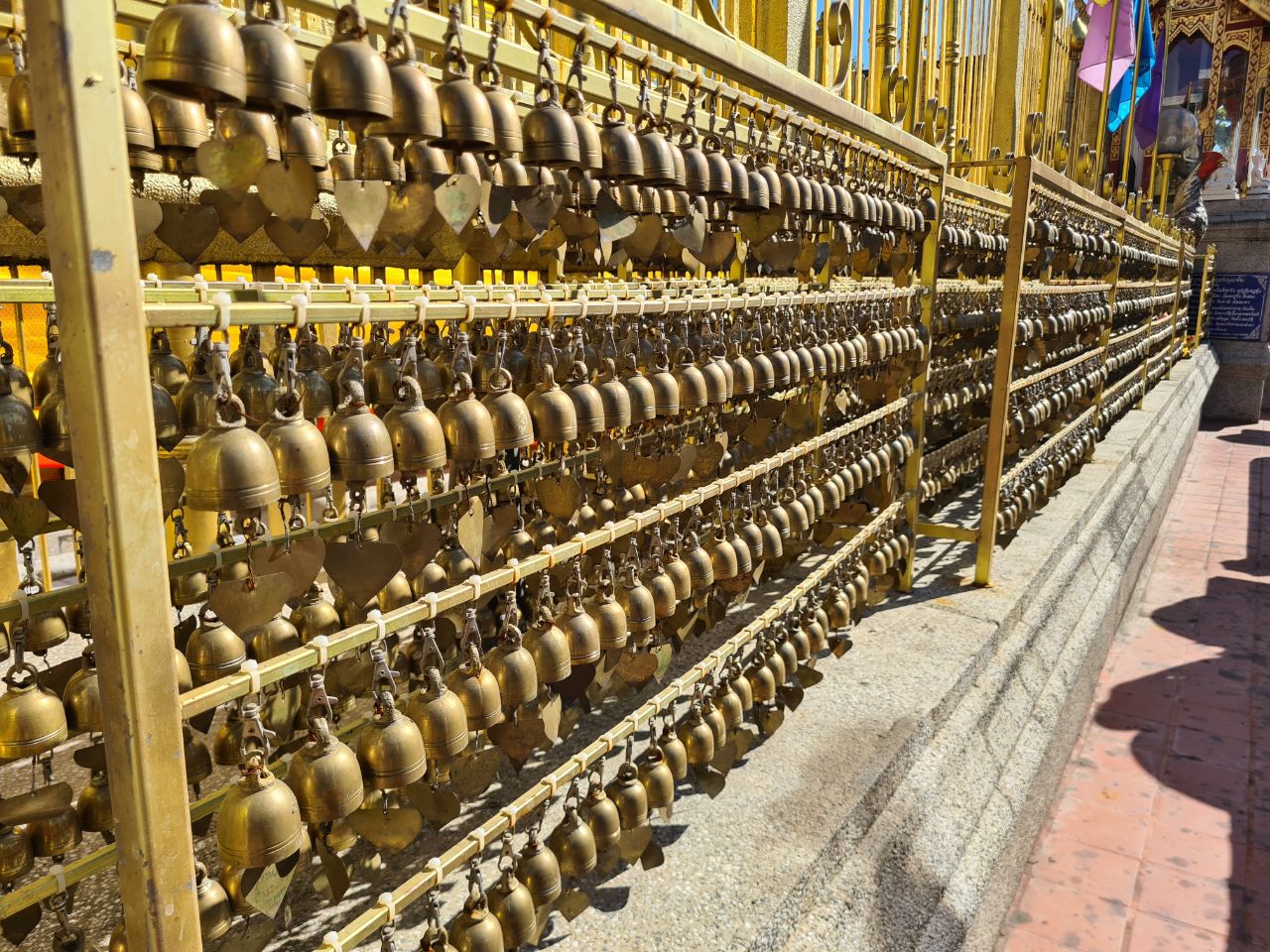
Just 26 kilometers south of Chiang Mai, Lamphun remains refreshingly untouched by mass tourism despite housing some of Northern Thailand’s most beautiful temples. I drove here with a French traveler we’d met, and the contrast with Chiang Mai’s tourist crowds was immediate—these temples belong to locals, not Instagram feeds.
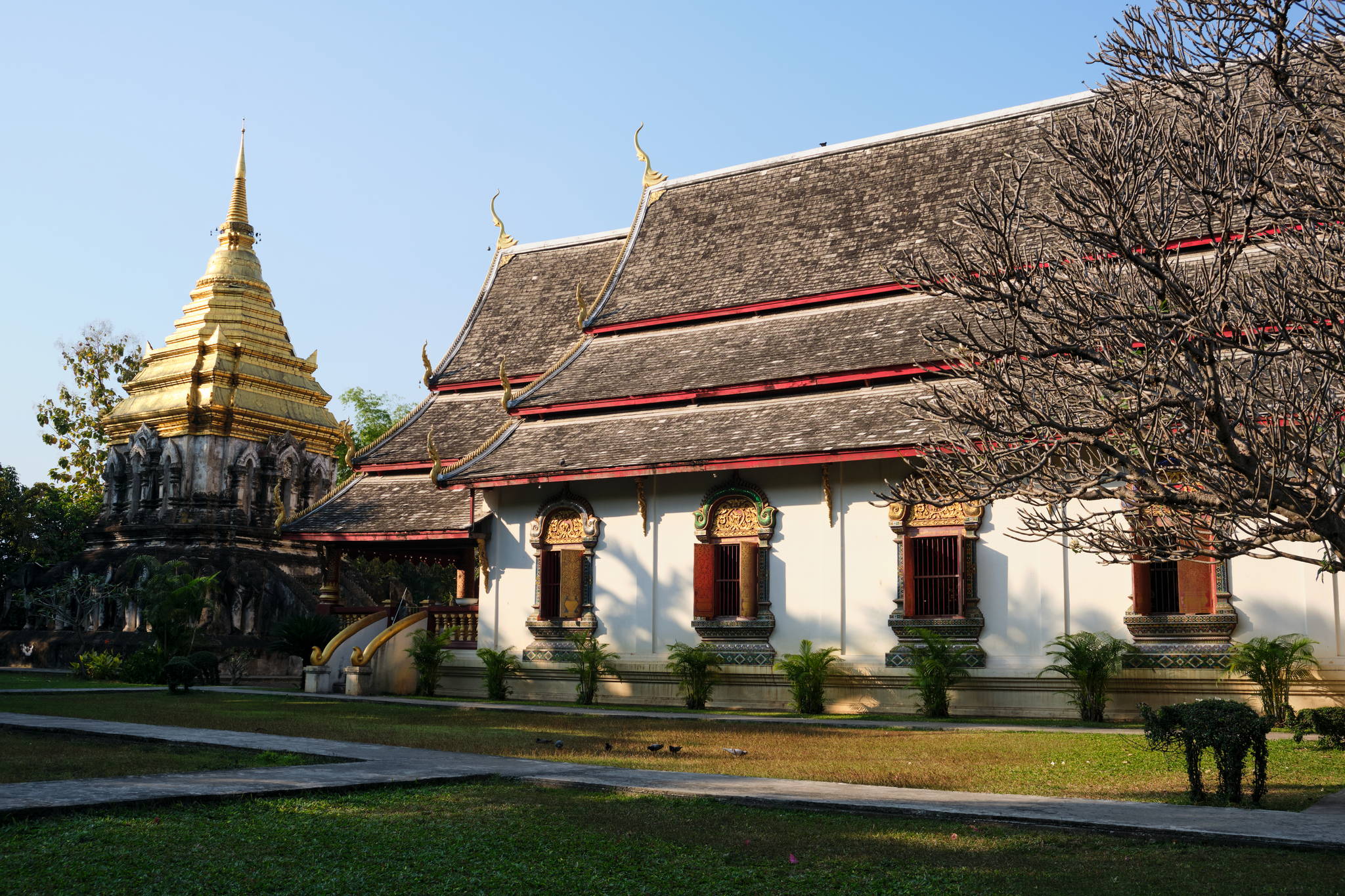
Wat Phra That Hariphunchai is Lamphun’s crown jewel, founded in 1044 and featuring a stunning 46-meter golden chedi that rivals Doi Suthep in grandeur. The temple complex explodes with color—golden spires, intricate lacquerwork, and Lanna-style architecture at its finest. When I visited, monks were actively praying and maintaining the grounds, giving it an authentic spiritual atmosphere completely absent from Chiang Mai’s more touristy temples.
Wat Ku Kut (Wat Chama Thewi) showcases a completely different architectural style with its ancient stepped pyramid chedi dating from the 12th century. The Hariphunchai-era brick structure is unique in Thailand, showing Mon cultural influence.
Beyond temples, we discovered a charming old covered wooden bridge near the town center where a small local market operated. These unexpected finds—the bridge, the market, the quiet streets—made Lamphun feel like genuine cultural exploration rather than checking boxes.
Getting There: Drive (30 minutes), take a songthaew from Chiang Mai’s Chang Phuak Gate (30-40 THB, 45 minutes), or book transport on 12Go.asia.
Time Needed: Half day is sufficient for the main temples. Combine with a stop at traditional craft villages along the route.
Doi Inthanon National Park
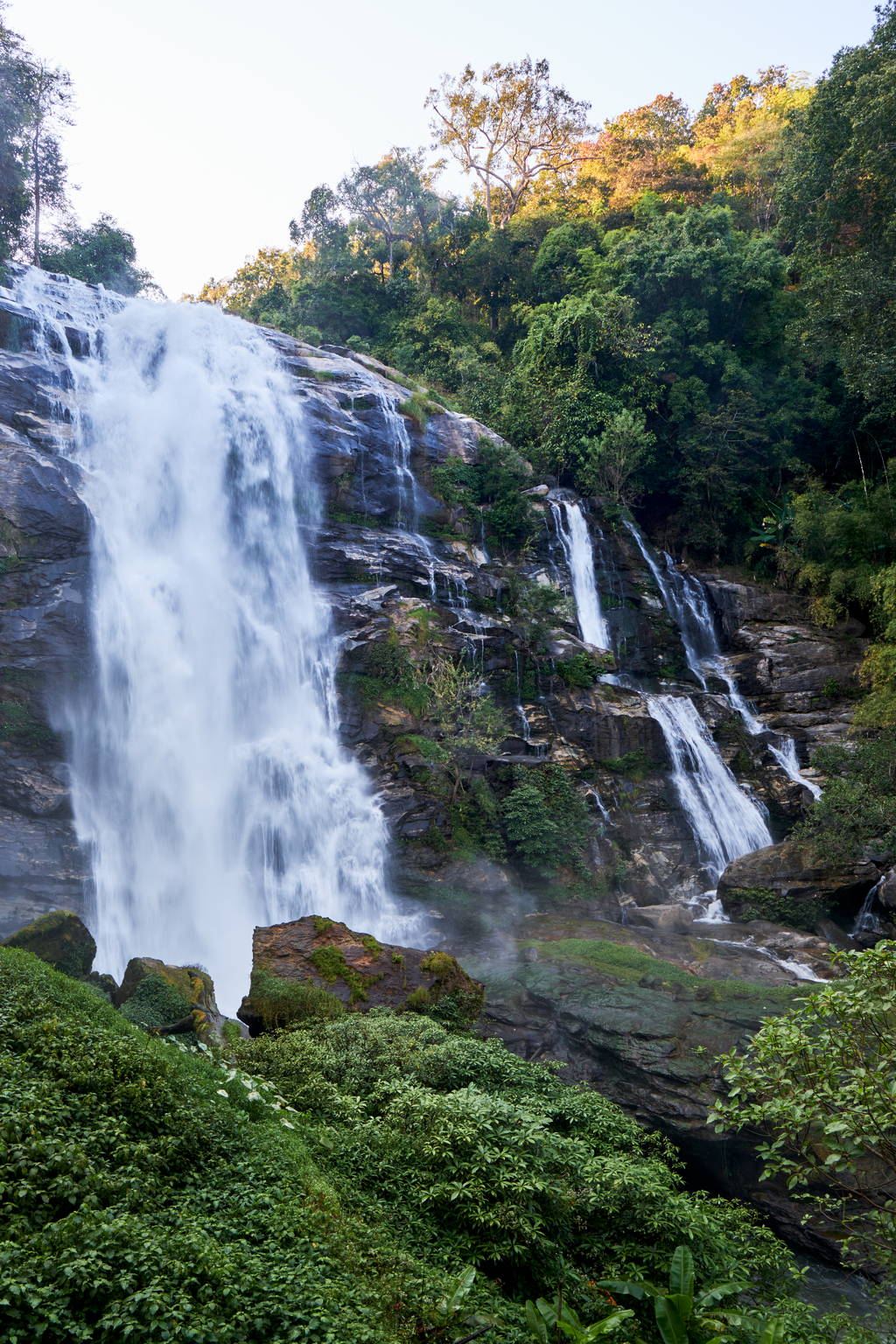
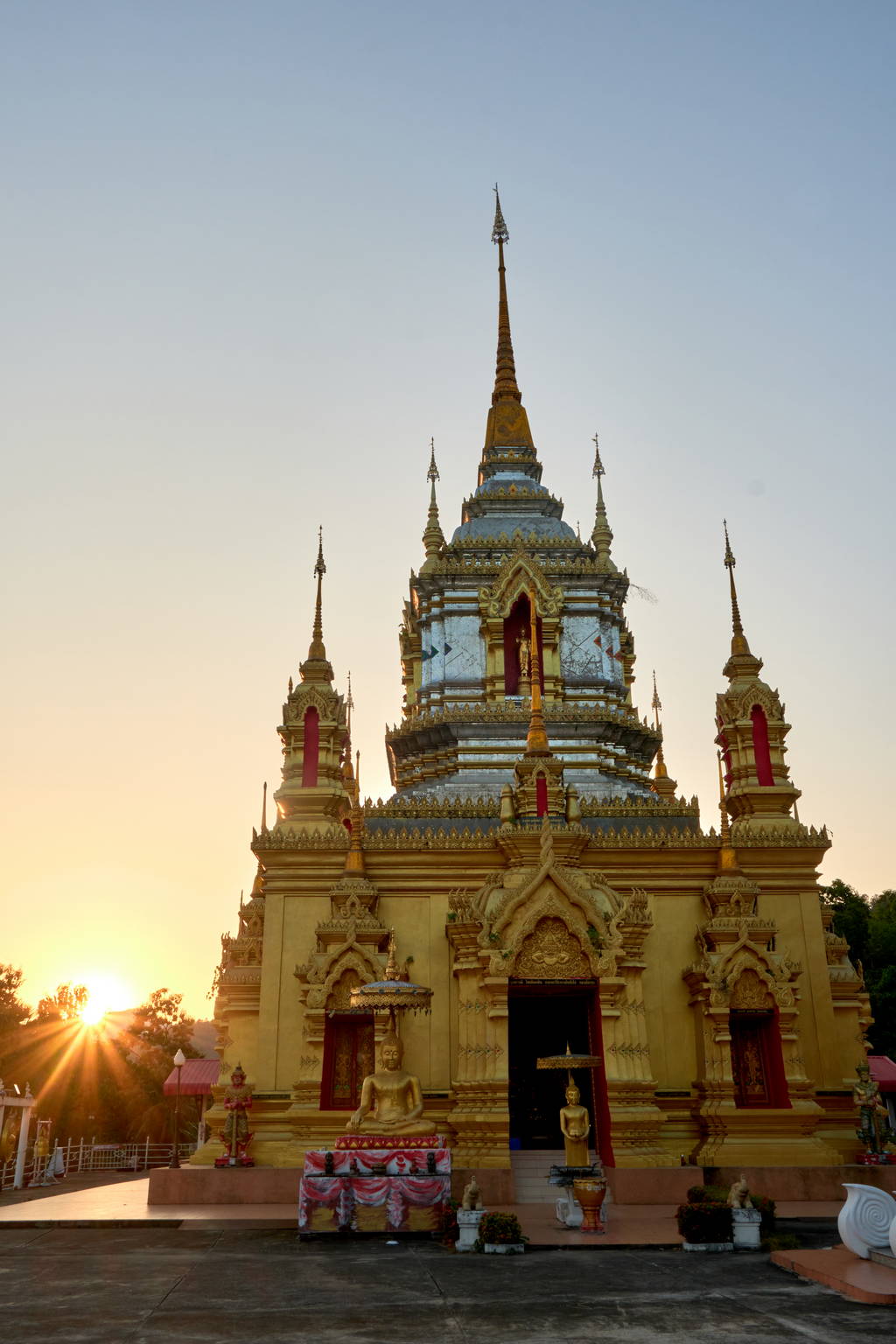
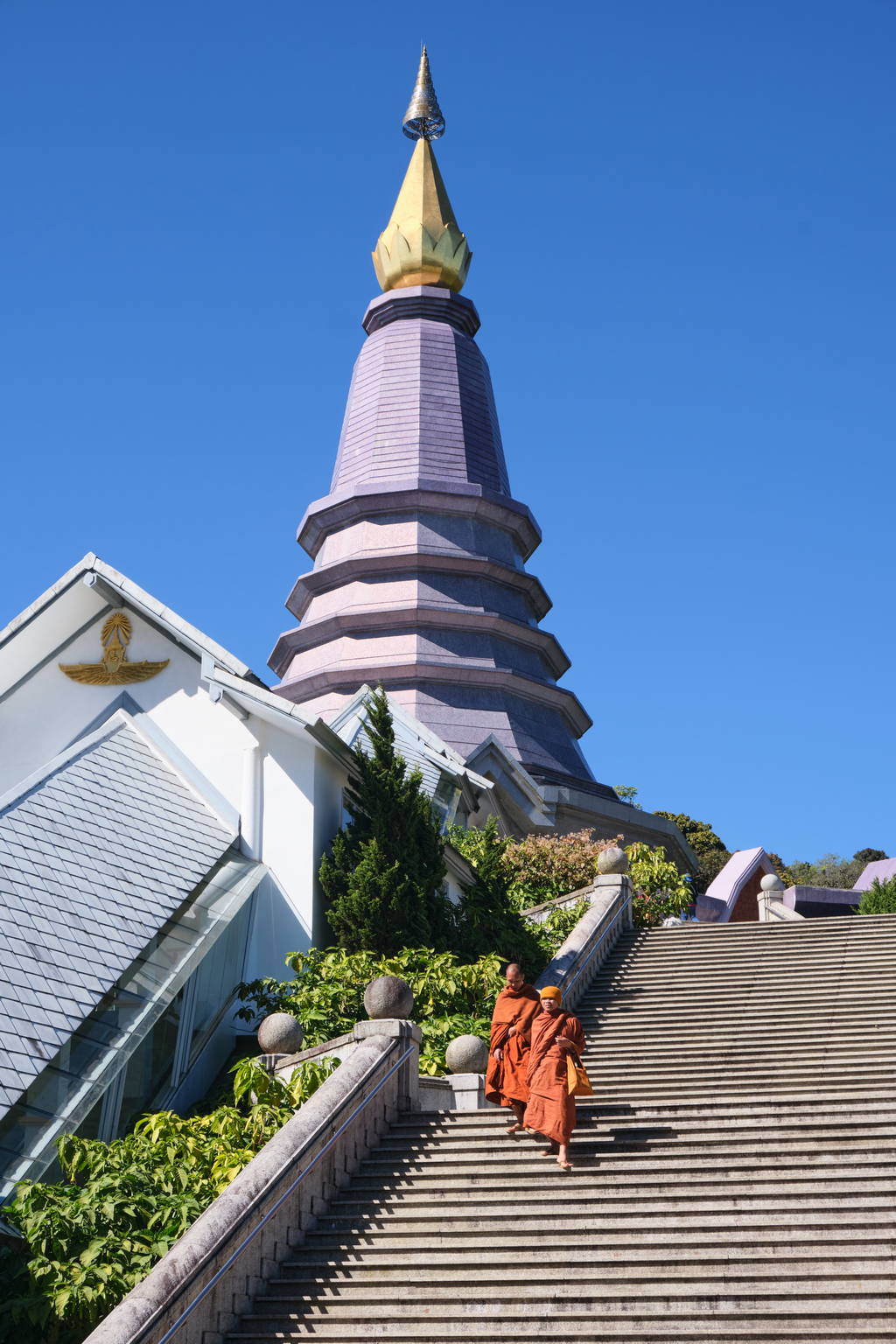
Thailand’s highest peak at 2,565 meters, Doi Inthanon National Park offers a completely different climate and landscape from Chiang Mai’s valley. I drove here expecting dramatic views from the summit, but reality proved more complex—and more interesting.
The Summit: Despite being Thailand’s highest point, the actual summit is somewhat anticlimactic. A vast parking area surrounds a military base, and dense vegetation blocks any panoramic views. The appeal lies in the journey and the cool mountain air—temperatures can drop to 10-15°C even when Chiang Mai swelters at 35°C.
The Twin Pagodas (King and Queen Chedis): Just below the summit, these modern chedis built in honor of the late King and Queen are undeniably kitsch—elaborately decorated in a style that feels more tourist attraction than sacred site. However, the surrounding gardens are beautifully maintained, and the viewpoint offers genuinely spectacular vistas across the mountain ranges. I found the views here far more rewarding than the summit itself.
Waterfalls: The park contains several impressive waterfalls. We visited one of the main cascades and found it beautiful—powerful water tumbling over rocks in pristine forest. We wanted to explore others, but many require 4WD vehicles or booking organized tours to reach. This is one limitation of standard rental cars in the park.
Hill Tribe Villages: We stopped at a local market run by hill tribe communities near the pagodas, where we sampled various local foods and snacks. The produce and prepared foods reflected the unique mountain agriculture—different from what you find in Chiang Mai’s lowland markets.
Getting There: 100 kilometers southwest of Chiang Mai (2 hours driving). No public transport reaches the park—rent a car, join a tour, or book private transport via 12Go.asia.
Entrance Fee: 300 THB for foreigners, 30 THB for Thais.
Time Needed: Full day. Leave early to avoid afternoon mountain fog.
Pai & Mae Hong Son Loop
The Mae Hong Son Loop is Northern Thailand’s legendary motorcycle route—a 600-kilometer circuit through mountains, valleys, and remote villages. Even if you’re not tackling the full loop, Pai makes an excellent 2-3 day side trip from Chiang Mai.
Pai (135 kilometers northwest, 3 hours) has evolved into a bohemian traveler hub with waterfalls, hot springs, and a laid-back atmosphere. The journey itself—1,864 curves through mountain scenery—is half the appeal.
Mae Hong Son (245 kilometers, 6 hours) takes you deeper into remote border country near Myanmar, with stunning lakeside temples and morning mist that earned it the nickname “City of Three Mists.”
Getting There: Rent a scooter for the full adventure, take a minivan (booked via 12Go.asia), or fly to Pai from Chiang Mai (25 minutes, bypassing the curves entirely).
Food & Drink in Chiang Mai
Northern Thai cuisine differs significantly from the Thai food most Westerners know from Bangkok or beach towns. Chiang Mai’s food scene showcases Lanna culinary traditions—coconut-rich curries, fermented flavors, and sticky rice as the staple instead of jasmine rice.
Must-Try Northern Thai Dishes
Khao Soi is Chiang Mai’s signature dish and an absolute must-eat. This coconut curry noodle soup combines soft egg noodles in creamy, mildly spicy curry broth, topped with crispy fried noodles, pickled mustard greens, shallots, and lime. The contrast between soft and crispy noodles, rich curry, and sour pickles creates an addictive flavor profile.
Every restaurant claims to serve the “best” Khao Soi, but quality varies wildly. Look for places packed with locals rather than tourist-oriented spots near major temples. Expect to pay 40-60 THB at local restaurants, 80-120 THB at tourist-focused venues.
Sai Oua (Chiang Mai Sausage) is a grilled pork sausage flavored with lemongrass, galangal, kaffir lime leaves, and chili. The herbal, slightly spicy flavor distinguishes it completely from Western sausages. Find it at night markets grilled fresh, served with sticky rice and fresh vegetables.
Nam Prik Ong resembles a Northern Thai meat sauce—ground pork cooked with tomatoes and chilies, eaten with sticky rice and fresh vegetables. It’s comfort food at its finest, though the fermented flavors take some Western palates time to appreciate.
Sticky Rice (Khao Niao) replaces steamed jasmine rice in Northern cuisine. Eat it with your hands, rolling small balls to scoop up curries and dips—the traditional Lanna way of eating.
Where to Eat
Night Markets offer the best variety and value. The Sunday Night Market and Saturday Night Market feature dozens of food stalls serving everything from pad thai to obscure regional specialties. I ate at the Night Market on both my first and second evenings—the quality was consistently good, prices fair (40-80 THB for mains), and the live music added perfect atmosphere.
Old City Restaurants range from tourist-oriented spots with English menus to local shophouse restaurants where you point at dishes and hope for the best. The latter typically offer better value and more authentic flavors, though communication can be challenging.
University Area (Near CMU) caters to Thai students with rock-bottom prices and authentic local food. Venture here for the real deal—expect to pay 30-50 THB for full meals.
Nimman Area brings trendy cafes, international restaurants, and upscale Thai dining. Prices jump significantly (150-300 THB for mains), but presentation and ambiance improve accordingly.
Markets & Street Food
Warorot Market (Kad Luang) is Chiang Mai’s main local market—a sensory overload of fresh produce, dried goods, prepared foods, and household items. The second floor houses cheap food stalls serving Northern Thai specialties to locals. No English, no tourist menus, just authentic Chiang Mai eating.
Chang Phuak Gate Night Market operates nightly near the Old City’s northern gate. Smaller than Sunday Night Market but less crowded, with excellent street food at local prices.
Vegetarian Options
Chiang Mai’s large expat and digital nomad community has driven growth in vegetarian and vegan restaurants, particularly in Nimman. However, traditional Northern Thai cuisine is meat-heavy. At markets and local restaurants, specify “jeh” (vegan) or “mangsawirat” (vegetarian)—though fish sauce often sneaks into “vegetarian” dishes.
Coffee Culture
Chiang Mai has emerged as Thailand’s specialty coffee capital. Northern Thailand’s mountains produce excellent arabica beans, and dozens of third-wave coffee shops now dot Nimman and the Old City. Expect 60-120 THB for quality espresso drinks—comparable to Western prices but supporting local growers and roasters.
For more information on Thai cuisine and regional specialties, visit the Tourism Authority of Thailand’s food guide.
Cooking Classes
Numerous cooking schools offer half-day and full-day courses (800-1,500 THB) teaching Northern Thai dishes. Most include market tours, hands-on cooking, and recipe books to take home. It’s a popular activity, though I skipped it this trip in favor of more hiking time.
Practical Information
Money & Costs
Thailand uses the Thai Baht (THB). As of early 2026, exchange rates hover around 35-37 THB per euro, 30-32 THB per US dollar. Chiang Mai remains significantly cheaper than Bangkok, though tourist areas command premium pricing.
Daily Budget Estimates:
- Budget: 600-1,000 THB (€16-27) – Hostel dorms, street food, public transport
- Mid-range: 1,200-2,000 THB (€32-54) – Private room, mix of restaurants, scooter rental
- Comfortable: 2,500+ THB (€67+) – Hotel, sit-down restaurants, tours, car rental
I found Chiang Mai extremely affordable. Our daily spending averaged around 1,500 THB per person including a decent hotel, meals at both street stalls and restaurants, and the car rental split between us.
ATMs & Cash: ATMs are everywhere, charging 220 THB per withdrawal (plus your bank’s fees). Withdraw larger amounts to minimize fees. Major hotels and restaurants accept cards, but night markets, temples, and street food require cash. Carry at least 1,000-2,000 THB daily.
Tipping: Not traditionally expected in Thailand, but appreciated at sit-down restaurants (10% for good service) and for exceptional service elsewhere. Street food and markets don’t expect tips.
Connectivity
Thailand’s mobile network is excellent. I purchased a tourist SIM card at the airport with 15GB data for 299 THB, and 4G coverage was solid throughout Chiang Mai and even up Doi Inthanon. AIS and DTAC are the main carriers with reliable coverage.
WiFi is ubiquitous—hotels, cafes, restaurants, and even some temples offer free connectivity. Digital nomads flock to Chiang Mai precisely because internet infrastructure rivals Western cities.
Safety
Chiang Mai is exceptionally safe by global standards. Violent crime against tourists is rare. Standard precautions apply: watch belongings in crowded markets, don’t leave valuables visible on parked scooters, and be cautious with drinks in nightlife areas.
Traffic poses the biggest actual danger. I rented a car for day trips and had to stay constantly vigilant—Thai drivers are assertive, traffic rules are flexible, and motorbikes appear from unexpected angles. Scooter accidents are the leading cause of tourist injuries. Wear helmets, drive defensively, and avoid riding after drinking.
Health
No vaccinations are legally required for Thailand, though hepatitis A, typhoid, and tetanus are recommended. Chiang Mai’s hospitals are excellent—Chiang Mai Ram Hospital and Bangkok Hospital Chiang Mai offer international-standard care at Thai prices.
Tap water is not safe to drink. Buy bottled water (7-15 THB for 1.5 liters) or use filtered water provided by hotels. Ice in restaurants is generally safe—it comes from filtered water factories.
Air quality becomes a serious concern March-April during burning season. Check AQI levels before visiting if you have respiratory issues. During my December visit, air quality was excellent.
Language
English is widely spoken in tourist areas—hotels, restaurants near the Old City, and tour operators all have English-speaking staff. Outside tourist zones, English proficiency drops significantly. I managed fine with basic Thai phrases and smartphone translation apps.
Useful phrases: “Sawasdee krap/ka” (hello – krap for men, ka for women), “Kop khun krap/ka” (thank you), “Mai pet” (not spicy), “Tao rai?” (how much?).
Visa Requirements
Most Western nationalities receive 30-day visa exemption stamps on arrival by air (15 days at land borders). Extensions available at immigration offices for 1,900 THB. For longer stays, apply for 60-day tourist visas before arriving or explore Thailand’s new Long-Term Resident (LTR) visa programs for digital workers.
Check Thailand’s official immigration website for current requirements, as visa rules change periodically.
Cultural Etiquette
Temples: Remove shoes before entering buildings, dress modestly (shoulders and knees covered), never point feet toward Buddha images, and stay quiet during prayers.
Monarchy: The Thai royal family is deeply revered. Never disrespect images of the king or royal family—it’s both culturally offensive and illegal under lèse-majesté laws.
Greetings: The “wai” (prayer-like hands together, slight bow) is traditional, though foreigners aren’t expected to master complex etiquette. Staff at restaurants and hotels may wai you; a smile and slight nod is acceptable response.
Heads and Feet: The head is sacred, feet are lowly. Never touch someone’s head (even children playfully) or point feet at people or Buddha images.
Sample Itineraries
3 Days in Chiang Mai – Temple & Culture Focus
Day 1: Arrive, settle into Old City accommodation. Afternoon temple circuit (Wat Phra Singh, Wat Chedi Luang, Wat Phan Tao). Evening at Sunday Night Market (if Sunday) or regular Night Bazaar.
Day 2: Early morning hike up the Monk’s Trail to Doi Suthep (10.6km loop). Afternoon rest, evening exploring Nimman cafes and restaurants.
Day 3: Day trip to Lamphun temples (Wat Phra That Hariphunchai). Return for final Old City wandering and farewell Khao Soi.
5 Days in Chiang Mai – My Actual Route
This follows exactly what I did during my stay, mixing culture with mountain adventure.
Day 1: Arrived by train from Lampang. Settled in, walked 30 minutes to Night Market. Live rock-violin fusion concert, street food exploration.
Day 2: Rented car (Toyota Yaris). Drove to Lamphun—explored Wat Phra That Hariphunchai and Wat Ku Kut, discovered old covered bridge with local market. Returned to Night Market for second concert.
Day 3: Full day at Doi Inthanon National Park—summit, Twin Pagodas, waterfalls, hill tribe market. Evening at Old City night market.
Day 4: Rest day. Laundry, trip planning, emails. Sometimes you need recovery time.
Day 5: Walking temple tour through Old City—Wat Phra Singh, Wat Chedi Luang, hidden sois exploration. Final booking adjustments for onward travel.
7 Days – Extended Northern Explorer
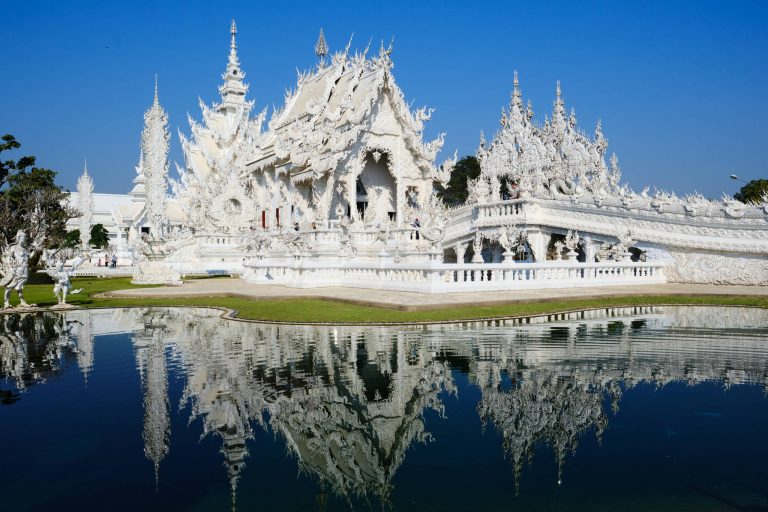
Add Days 6-7: Either Pai (bohemian mountain town, 3 hours north) or Chiang Rai (White Temple, Blue Temple, hiking—see my full guide). Book transport via 12Go.asia for best connections.
Final Thoughts
Chiang Mai earned its reputation as Northern Thailand’s cultural heart not through hype, but through substance. This is a city where ancient Lanna traditions coexist seamlessly with modern creativity—where you can hike a centuries-old pilgrimage route in the morning and catch rock-violin fusion at a night market in the evening.
I arrived by slow train from Lampang expecting temple overload and tourist crowds. What I found instead was a city that rewards genuine exploration. Yes, the major temples are magnificent, but the real discoveries happened in unexpected moments: stumbling upon Lamphun’s colorful temples filled with praying monks instead of Instagram crowds, standing at Thailand’s highest summit in the cool mountain air, watching live music unfold between food stalls as locals and travelers mingled effortlessly.
Chiang Mai works whether you have three days or three months. The compact Old City makes temple-hopping walkable, the surrounding mountains offer endless hiking possibilities, and the infrastructure—from cheap songthaews to reliable rental cars—makes independent travel straightforward. I appreciated how the city balances accessibility with authenticity, never feeling like a theme park version of Thai culture.
If you’re planning your Northern Thailand adventure, use Chiang Mai as your base. The temples provide cultural immersion, the Monk’s Trail delivers mountain hiking, and day trips to Doi Inthanon and Lamphun showcase landscapes tourist buses skip entirely. Book your transport connections on 12Go.asia and give yourself enough time to move slowly—this isn’t a city to rush through.
Northern Thailand’s cultural capital rewards those who look beyond the checklist. Temple-hop when the mood strikes, but also wander aimlessly, eat at markets where menus don’t exist, and let the city reveal itself gradually. That’s when Chiang Mai becomes unforgettable.
Happy exploring!
8. Where to Stay in Chiang Mai
Chiang Mai offers accommodation for every budget and style. The city’s diverse neighborhoods each provide a different experience—from the temple-filled Old City to trendy Nimman and peaceful riverside areas. Here are my personal recommendations:
Unique & Instagram-Worthy Stays:
- The Inside House: One of the most spectacular hotels in the city center. Famous for its suspended transparent private pools that extend over balconies. An immaculate white colonial design that’s totally unique and ultra-photogenic. 👉 Check availability
- Burirattana Hotel: An adults-only boutique hotel located right on the Sunday Night Market street. Its “Minimalist Lanna” style blending raw concrete, wood, and local craftsmanship is a modern design marvel. 👉 Check availability
- North Hill City Resort: If you’re looking for a futuristic, sleek aesthetic, this hotel offers incredible modern architecture with panoramic views of the Doi Suthep mountains. Perfect spot for contemporary design lovers. 👉 Check availability
Budget-Friendly Favorites:
- Doze Hostel: One of backpackers’ favourite spots. It’s clean, modern and located near the North Gate (Chang Phuak), ideal for reaching hiking trails and enjoying the best street food. 👉 Check availability
- Lanna Hostel: A must-see budget option. Known for its warm welcome and friendly atmosphere, it is the perfect base camp to meet other hikers before setting off on the Monk’s Trail. 👉 Check availability
9. Best Hikes & Trails in the Region
Ready to escape the temples and night markets for mountain trails? Chiang Mai sits at the gateway to some of Northern Thailand’s most rewarding hikes—from sacred pilgrimage routes to jungle waterfalls and Thailand’s highest peak. Whether you want a half-day temple trek or a full-day mountain adventure, here are my top recommended trails in the region. Lace up your boots and get exploring!
-
Doi Nang Mo Summit Hike: 7.9km Volcano Crater Trail Near Chiang Mai
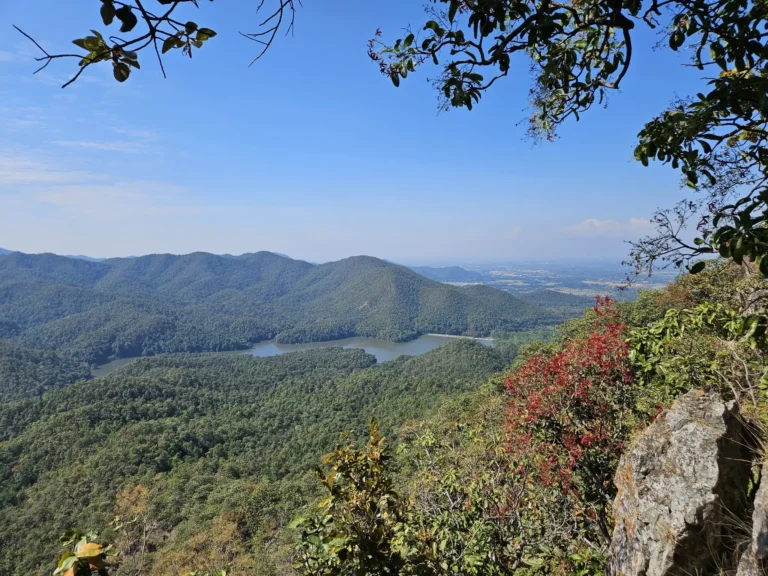
7.9 km | 🔴 Difficult — Mae Takhrai’s most challenging adventure. I climbed 510m through steep forest to Doi Nang Mo’s 896m summit, discovered an ancient volcano crater with Buddha statues, scrambled down rope sections, and earned spectacular reservoir views. A true test 30km east of Chiang Mai.
-
Monk’s Trail Loop: 10.6km Sacred Hike Through Chiang Mai’s Mountains
10.6 km | 🟡 Moderate — The legendary Monk’s Trail reimagined as a full loop. I climbed through jungle to the hidden Wat Pha Lat temple, summited at Doi Suthep’s golden chedi with panoramic city views, then descended via waterfalls through Doi Suthep-Pui National Park. Ancient pilgrimage meets modern adventure.